Farm & Family Business Succession: A Personal Reflection

Succession in a family business isn’t a transaction. It’s a test of leadership, patience, and values.

For our family, it was a journey that took more than a decade—from the first conversations with Mum in 2012 to final settlement in May 2025, just months after she passed.
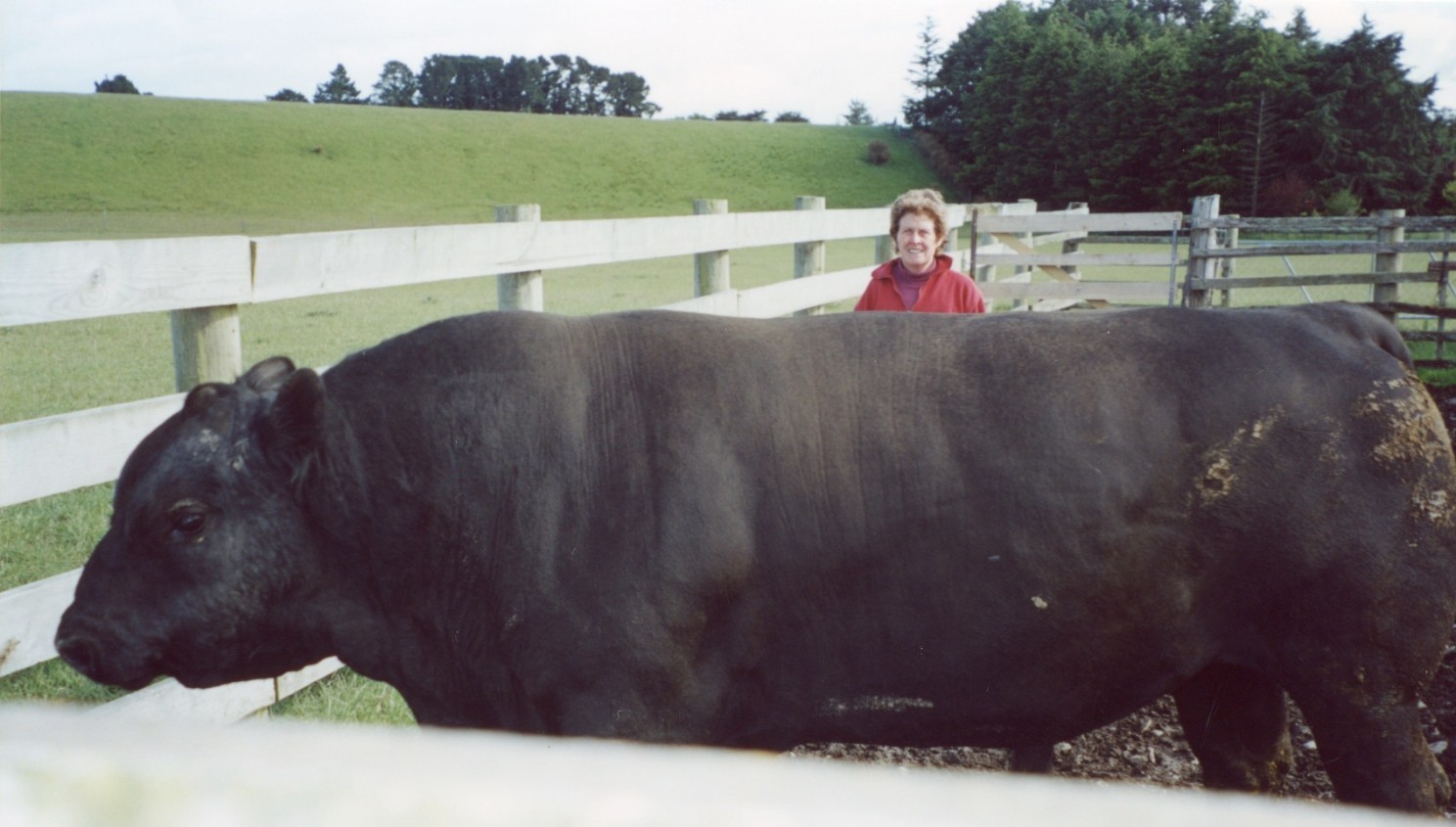
Article content
Mum with one of her Angus Bulls.

It began with a shared intent: keep the family farm in the family. But living that intent took time, courage, and compromise.

My brother had returned home post-earthquake and was working alongside Mum. I knew I didn’t want to farm it full time—but I did want a clear plan that honoured our family’s legacy and I did want to retain a connection with the land.

We engaged advisors. Ran workshops. Explored different options. At times, the conversations broke down. Progress was slow. Emotions & frustrations at times ran high.

Eventually, we explored a buyout option, and after 8 months of negotiation, we agreed: he would retain the farm, stock, and plant; I would retain a small bush block; and we would settle with a cash component.

Then, just weeks later, and before we could action a formal contractual agreement, Mum passed away quite suddenly.
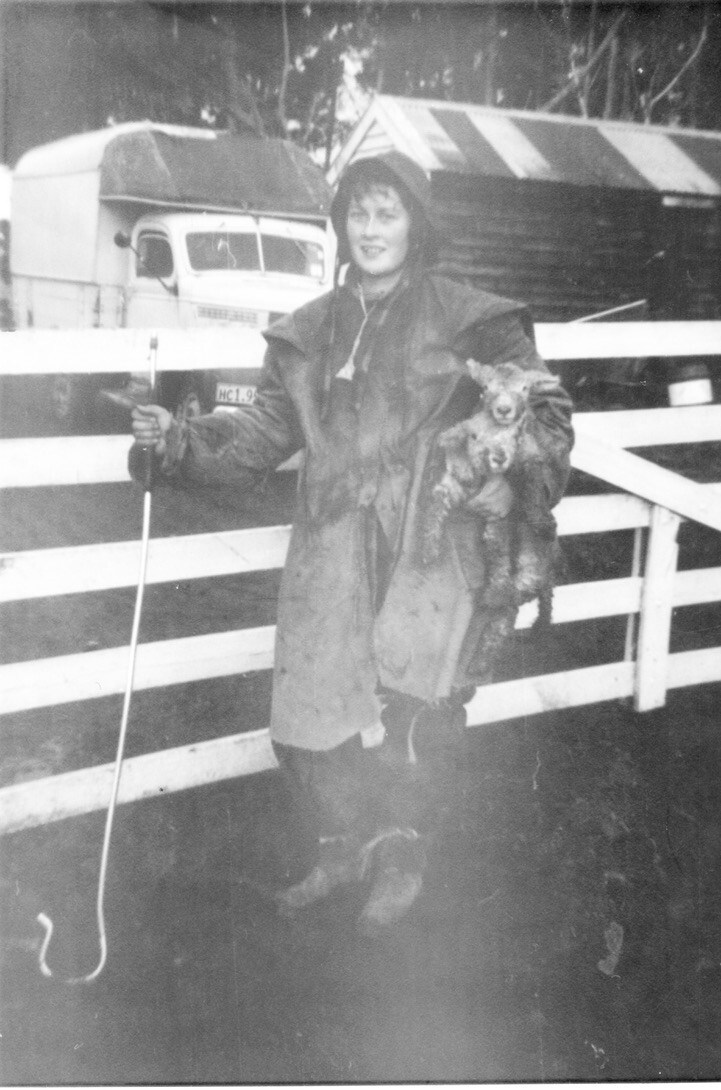
Article content
Mum: A registered nurse before 40 years farming – always a farmer at heart.

It was a powerful reminder that succession planning must account for the unexpected. Without a plan, we would have faced increased financial risk, a lengthy process, and family strain—right in the middle of personal grief. We had to navigate a funeral and the probate process which added complexity.

Thankfully, we had a foundation plan in place. Not perfect. But one that we could implement with minor amendments.

What I’ve personally learned:

  • Create a clear pathway. One that gradually leads to an agreed and aligned plan—don’t leave it to chance.
  • Start early. Succession is a process, not an event. It takes far longer than you might think.
  • Expect the unexpected. Illness, death, or external pressure can shift everything and quite suddenly.
  • Know the role. For several years prior to her death I had the financial power of attorney for Mum and the responsibility and governance that brings. It added unexpected complexity and conflicts that were hard to balance. The requirement to do the right thing on Mums behalf (business and care) whilst balancing the interests of my brother & my self as we explored the options for farm transition.
  • Fair ≠ equal. Seek outcomes that are pragmatic, fair and respected, not just based on accounting numbers. It comes back to being clear what each party wants and managing expectations.
  • Anchor to shared intent. Our north star was Mum’s wish to keep the farm in the family. We were able to return to this when it got hard and it brought us back on track.
  • Use trusted external advisers. They really help you to work through the conflicts that arise. They bring logic, neutrality, experience and structure to difficult conversations. Pay for the best advice and use it.
  • Learn from others who’ve done it well. Hearing the experience of others shortens the journey and protects relationships. Every situation is very different but there are many common issues – consider this lived experience and adapt it and apply it.
  • Stay connected as a family. Through birthdays, shared meals, and simple check-ins—relationships need their own care. So many families lose their way and relationships never recover.
  • Stay invested. I chose to leave funds in the farm to support my brother and his family’s success. That decision honoured our mother’s intent and legacy—and my own values. I will always love the farm, the land and my family and as such will always be supportive and want it to remain a family jewel.

Succession is the ultimate long game. It’s not about control—it’s about stewardship. Not about what’s fair today—but what’s sustainable and sets up future generations.

If you’re on this path: take your time, talk openly, and build a plan before you need one.

You will need courage and guidance to navigate many options and decisions.

I say trust the process. Inaction is not an option because we all have to face it.

Because when succession is done well, it strengthens more than a business. It strengthens a family. If done poorly it can destroy the bonds of any family and sadly, after a lifetime of success and achievement a lasting legacy will be about how you exit and the way the remaining family feels.
Article content

If you’re navigating succession in a family business, I’m always happy to connect, share, or listen. #SuccessionPlanning #FamilyBusiness #Leadership #Governance #Legacy #Agribusiness
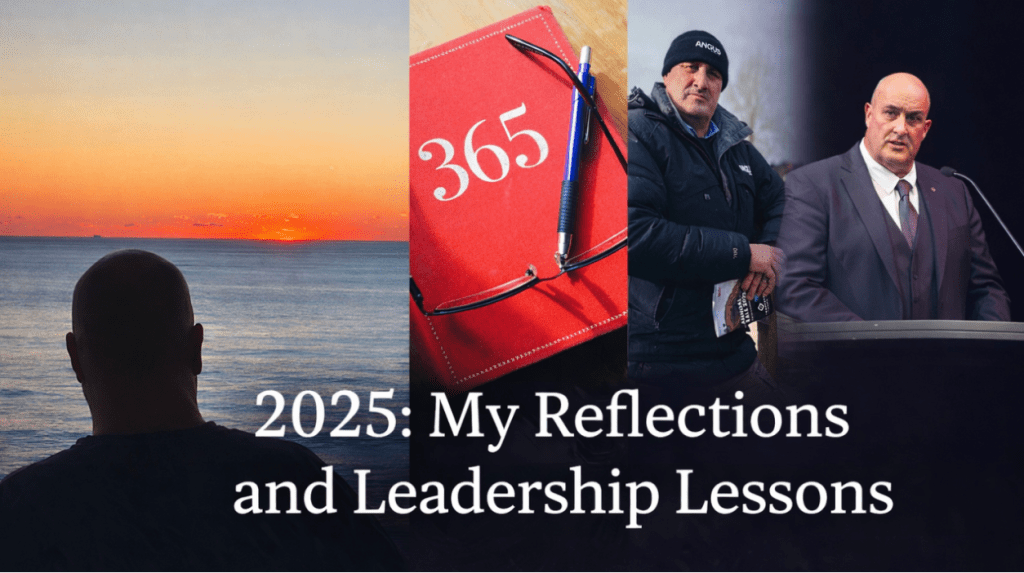
2023: A Year in Leadership – Reflections and Learnings

Heraclitus, an ancient Greek philosopher, once said, “Out of every one hundred men, ten shouldn’t even be there, eighty are just targets, nine are the real fighters…Ah, but the one, one is a warrior.”

This last year I have been very fortunate to support so many of these “warriors”…..the professional leaders charged with the future success of their organisations.

The clarity of a full year of experiences often comes only with some distance. In the thick of the daily grind, time rushes by, filled with daily challenges and tasks. As my 19th year of self employment year ends, an extended break creates that valuable opportunity to pause and reflect.

At Pivot & Pace, we’ve had a dynamic year, providing comprehensive support to diverse & market leading companies. Our focus has remained on helping these organisations to define, adapt, and implement their strategies in the face of ongoing market fluctuations, change and disruption. We’ve seen our Executive and Operational Leader Programmes thrive, catering to the evolving needs of our clients. Our commitment to enhancing governance and succession planning has been ongoing.

In terms of expansion, we’ve broadened our horizons to Auckland and Queenstown, not just with a presence but also in strategic alliances. These partnerships, formed with academic, professional, and commercial entities, are guided by a crucial question: “How do we appear where our future clients are?” This philosophy has streamlined our approach to building trusted relationships and facilitating high value niche services alongside like minded partners.

The year wasn’t without its challenges, marked by highs and lows that are part and parcel of navigating a growing business in a competitive industry. Leadership, to me, is a never-ending journey of personal growth, a constant balance of self-awareness, decision-making, professional judgement and learning to thrive in ambiguity.

As a tradition, I like to reflect on my leadership roles – as Managing Partner, Board Chair, director, father, coach, and strategist – and to identify my key learnings. Here are my significant ones from 2023, in no particular order:

  1. Competition happens at the bottom. Those leading any industry are collaborating together. This year we have focussed on continuing to build on & formalise our strong strategic partnerships. When there is trust, alignment of shared values and mutual respect, this is a game changer in terms of making an impact to clients. Strategic partnerships take time, focused effort, resources and most critically they require the exchange of genuine value & goodwill between all parties involved.
  2. To have a diverse team you need to set them up to succeed. We all know the benefits of having diverse thinkers at the table (different cultures, ages, genders, experiences, education, industry expertise) but in order for them to make an impact and thrive some real consideration is needed to ensure the structures, behaviours and norms evolve to leverage this impact. Too often those who bring much needed different thinking don’t stay because they feel they don’t fit and can’t make an impact. If nothing changes, nothing changes.
  3. Giving time to help others has been some of my most fulfilling work in 2023. Each year I give back to others through some unpaid work. I have coached startup entrepreneurs, emerging directors, post graduate students and others who have who have simply needed a bit of support just to help them through a tough spot. I have personally learnt a lot from these people and they have helped me to explore different thinking and to be more empathetic. The giving works both ways!
  4. “The magic you are looking for is in the work you are avoiding”. Often we gravitate to the work we know, love and get energy from by default. But innovative thinking and the exploration & development of new ideas gets parked simply because of the energy needed and the time to prioritise it. This year I have been encouraged by several mentors to take reflection, listening, curiosity and questioning to another level. This has allowed better insights and has helped me to prioritise what I should be doing for future success.
  5. Real talent is exceptionally hard to find. Our business thrives on talented individuals who are all rounders – they can navigate complex client relationships and deliver strategic insights with impact. Identifying and nurturing such talent remains a key focus & challenge as we move into 2024.
  6. The “sandwich” generation is tricky. 2023 was such a full one year professionally and also personally. Juggling professional demands with personal responsibilities in a year filled with significant family milestones, young children and elderly parents challenges, has been a leadership learning curve in itself.
Our Purpose: “To make an Intentional Impact”

My own key personal achievements this year include:

  1. Wrote the content of a masters level ‘self leadership” paper. This is one of the papers on the University of Canterbury Online Post Graduate Diploma of Strategic Leadership and was a good challenge.
  2. Presented a University of Canterbury MBA & Executive Education Masterclass.
  3. In November 0f 2023 I completed the Institute of Directors “Advanced Directors” Course in Wellington. This was an amazing leadership course alongside a cohort of very experienced directors and with input from some of New Zealand’s most prominent professional directors. I learnt a vast amount about governance, myself and how to navigate complexity and ambiguity in the board room and CEO environment.
  4. Building (with help) a wooden fence around the garden. Sounds simple but over 6 days, 54 post holes (Concreted) with gates and wooden railings this was one of my most satisfying achievements of 2023.
  5. Spoke as the guest speaker at my hometown civic ANZAC service. In fact undertook a number of keynotes and panel events throughout 2023.
  6. Organised a joint 80th birthday party to celebrate both of my parents in November. This was a such a fun experience with 90 family and friends.
  7. Attended my brothers wedding in April which was an awesome farm & family celebration.
  8. Attended the 35th anniversary weekend of my Army Officer Graduating class. This was a great reconnection with good friends who undertook 12 months of leadership training together in a challenging environment.

Some key measured personal metrics of 2023:

  • Facilitated 47 strategic planning sessions.
  • Conducted 218 one on one executive coaching sessions.
  • Attended 60 board meetings as in my capacity as a director (Chairing 28 of them).
  • Advised 14 Boards of Directors.
  • Worked with 19 different Executive Leadership Teams.
  • Consulted to 32 different organisations internationally.
  • Attended 36 networking events.
  • Completed 5 CEO annual appraisals and reviews.
  • Led 20 customised leadership workshops.
  • Travelled on 73 flights, including international.
  • Completed an Oxford University Masterclass and the Advanced Directors Course.
  • Took 8 weeks of annual leave to recharge.
  • 17th year of marriage, 19th year of self employment.
  • 3 healthy children who are all growing, exploring, learning and active.
  • Contracted a clever virtual EA to support my practice.
  • Read 56 books (business and biography).
  • Maintained over the 12 months an average of 7 hours 37 minutes of sleep per night, 30 minutes of exercise each day, and daily average steps of 8625 (7.1km).

2023 was a busy and fulfilling year, one I look back on a think – that was hard but a lot happened! It was a year of post covid normalisation (a new normal), one of constant hustle and one that required a lot of energy.

Luke, Greg, Me: Dec 23

I love what I do and the people I get to share our mission with. I want to acknowledge my business partner Greg Allnutt, MNZM for his endless hard work, laser focus and professional expertise. Complementary skills allow both of us to play to our strengths and this is definitely the leadership & implementation (Combat) multiplier that drives our business success. I also want to thank our team and our independent directors at Pivot and Pace for their hard work and the positive impact they have each day.

To our strategic partners and our valued clients. Thank you, thank you for the opportunity to work with you and to be a small part of your business and leadership success. John Spence, our strategic partner in the USA – you rock!

We have big plans and some great initiatives planned for 2024 and I look forward to starting that journey soon…..maybe after another week or two recharging.

What are your reflections of 2023? What did you learn? What did you achieve?

The Impact of Disruptive Strategy: Harvard Business School Insights

Early in 2022 I spent a couple of busy months doing some post graduate study through the Harvard Business School on the topic of “Disruptive Strategy”. So many companies feel they are disrupting their industry by being niche, agile and innovative only to discover that as they grow and scale they face the same challenges as their more established competitors. They are not actually disruptive at all.

Disruptive strategy, first introduced at Harvard Business School in the 1990s, is a concept that has had a significant impact on the business world. The idea behind disruptive strategy is that companies can achieve success by targeting and serving overlooked or underserved segments of the market, rather than competing directly with established players.

The concept of disruptive strategy was first introduced by Clayton Christensen in his 1997 book, “The Innovator’s Dilemma.” In it, Christensen argued that established companies often miss out on new opportunities because they are too focused on serving their existing customers and protecting their current business model. He argued that, instead, companies should look for ways to create new markets by introducing products or services that are simpler, cheaper, and more accessible than what is currently available.

Over the years, the concept of disruptive strategy has evolved and been applied in various ways. One popular example is the rise of digital platforms, such as Uber and Airbnb, which have disrupted traditional industries by creating new ways for consumers to access goods and services. These companies have also disrupted traditional business models by using technology to connect customers directly with providers, cutting out intermediaries and reducing costs.

However, not many companies have been successful in truly applying disruptive strategy. Some have failed to identify new opportunities or have been slow to adapt to changing market conditions. Others have struggled to scale their disruptive business models or have been outmaneuvered by established players.

Despite these challenges, the concept of disruptive strategy remains a powerful tool for companies looking to achieve growth and success. Today, businesses are looking for new and innovative ways to create value for customers and disrupt established markets. This can be achieved through a variety of means, such as through the use of technology, business model innovation, or by targeting untapped segments of the market.

To sum up, disruptive strategy is a powerful tool for companies looking to achieve success in today’s business world. By identifying and serving overlooked or underserved segments of the market, companies can create new opportunities for growth and disrupt established markets. It is important to remember that disruptive strategy requires a deep understanding of the market and the ability to bring a completely new solution to the market that is cheaper, scaleable and more innovative than the way it has been been done before.

2022: Leadership Lessons I Learnt

Did we have a good year? 

That’s the question I put to my business partner Greg Allnutt on the 16th of December 2022 at our team function as we shared a number of Central Otago Pinot Noirs.

It might be an odd question and although I knew it had been a good year, we were both exhausted that afternoon and eager to start a 4 week summer break.

The year had screamed past in a blur for all of us at Pivot & Pace!

We have grown our business & our team, launched a new service into the market, invested in ongoing learning & education, sponsorships, grown partnerships with other like minded professional organisations & focussed relentlessly on helping our clients to grow, evolve, change…..to get break throughs. 

The outcome was a range of client metrics & client successes we are proud of. A lot of work but upon reflection fun work, challenging work and meaningful work. It has been a year of leading change, planning, supporting governance and business restructures, being involved in funding/capital raises, business sales & merges, innovation projects, training, coaching, learning, studying, collaborating, facilitating, networking and at times counselling. As a company and team we made definitely a big impact in 2022!

As I reflect, there were times I felt overwhelmed at the amount of work and complexity of it, It seemed far more serious than other years and sometimes I felt quite isolated given the amount of travel and the requirement to work alone away from the office and team support. I know that many directors and CEO’s have felt the same way and in reality it was year 3 of the covid pandemic & there are a myriad of other converging uncertainty we face in the business world.

In fact many executive teams and individuals reported feeling exhausted mid year and again in October and many were like me…..eagerly anticipating a good summer break.

What leadership lessons did I learn? I looked back over my reflections journal and there are many, many learnings. Here are my top 5 big ones.

  1. Leadership is not a popularity contest. Not a new learning but perhaps a good reminder. Not everyone will like you, your approach, your decisions or how you do it….. & that’s ok. There have been a number of times I have had to stop, reflect, challenge my thinking, reflect on values and either change or be comfortable that it is OK. Moral courage, a documented leadership philosophy and values have paid dividends in time of constant change & lots of ambiguity. Lead yourself well before expecting to do well in other areas of leadership. Remain humble, always seek to be better & don’t take yourself too seriously!
  2. When you care you give a bit of yourself. When woking closely with good leaders as their trusted adviser it is hard not to take on some of their stress. When dealing with complex issues at board and executive level & constant, ongoing change it takes a toll. The regular breaks, keeping fit and pursuit of personal interest are important to maintain and easy to skip. Plan and stay focussed.
  3. Be connected & Keep Learning. A network of mentors, like minded professionals, coaches, friends and family are critical for support & to keep you grounded, on track and to have a bit of fun. Success makes you soft (certainly it is a lousy teacher). Stay true to who you are and when things go off track – reflect, regroup and start again.
  4. We are in a period of ongoing and relentless change (& it is just beginning!). With that comes risk (for sure) but more importantly huge opportunities for those leaders and organisations that can remain agile, focussed and who have a long term vision. Disrupt Business as usual to ensure the important stuff is being implemented rather than just the next urgent thing. A ten year Vision allows you to adjust the strategy many times.
  5. Give back. Each year I work with a number of future leaders and organisations (for no pay) because I love their passion and potential. Some of these investments have paid huge dividends in terms of the impact it has made, the networks it has allowed me to join and the leaders who have gone on to do many things. Givers definitely get….in may ways. Serve with pride.

Always be prepared – Opportunities do not schedule appointments

Key personal achievements over the year;

  • Our business and team has grown. Those in the company have worked hard, contributed 100% and made an impact. 
  • Successfully completed a course of study at Harvard Business School in Disruptive Strategy.
  • It was my 18th year of self employment.
  • Professionally exited two boards as an independent director at the end of my tenure (EMD Advantage Ltd & Groundline Engineering Ltd) and joined two other boards (Oderings Garden Centres & The Connect Group Ltd).
  • As a company we launched the “Operational Leader Programme” which was developed at the request of client feedback. This is an extension of our Executive Leadership Programme.
No alt text provided for this image
Gisbourne Bull sale week. Talking bull with the Chair of Angus New Zealand.

Some key personal stats over the year that I track annually; 

  • Completed 215 fitness/physical workouts. Averaged 32 minutes per day & 8725 steps per day across 2022.
  • Averaged 7 hours and 23 mins of sleep per night over the year.
  • Took 49 flights for work including 3 trips to Australia with clients.
  • Over 2022 I worked as a strategic adviser to 21 different executive leadership teams
No alt text provided for this image
  • Worked on 9 boards of Directors (transitioning off 2 & being appointed to 2 more) and worked as a Strategic adviser/strategist to 9 other boards.
  • Across 2022 attended (as a director) 58 Board meetings chairing 23 of them
  • Facilitated 42 strategy sessions.
  • Facilitated 16 customised leadership workshops for various executive teams.
  • Delivered 211 one on one formal coaching sessions for 42 different Executive leaders.

2022 was a busy and professionally rewarding year.

Lean in! Today I begin the 2023 work year and all the opportunities it brings.

Perspective: What is Success?

The last words of Steve Jobs, billionaire, dead at 56:

“I have reached the pinnacle of success in business.” In other people’s eyes my life is a success.

However, aside from work, I’ve had little joy.

At the end of the day, wealth is just a fact I’ve gotten used to.

Right now, lying on my hospital bed, reminiscing all my life, I realize that all the recognition and wealth I took so much pride in, has faded and become meaningless in the face of imminent death.

You can hire someone to drive your car or make money for you, but you can’t hire someone to stand sick and die for you.

Material things lost can be found again. But there is one thing that can never be found when it is lost: Life.

Whatever stage of life we are currently at, in time we will face the day the curtain closes.

Love your family, spouse, children and friends… Treat them right .

Cherish them.

As we get older, and wiser, we slowly realize that wearing a $300 or $30 watch both give the same time

Whether we have a $300 or $30 wallet or purse, the amount inside is the same.

Whether we drive a $150,000 car or a $30,000 car, the road and the distance are the same, and we reach the same destination.

Steve Jobs

Whether we drink a $1000 or $10 bottle of wine, the hangover is the same.

Whether the house in which we live is 100 or 1000 square meters, loneliness is the same.

You will realize that your true inner happiness does not come from material things of this world.

Whether you travel first class or economy class, if the plane crashes, you go down with it…

Therefore, I hope you realize, when you have friends, brothers and sisters, with whom you discuss, laugh, talk, sing, talk about north-south-east or heaven and earth,… this is the real happiness!!

An indisputable fact of life:
Don’t raise your children to be rich.

Educate them to be happy.

Accessing the Right Strategic Advice at Board Level

“Excellence is never an accident. It is always the result of high intention, sincere effort, and intelligent execution; it represents the wise choice of many alternatives – choice, not chance, determines your destiny.”

Panel event Christchurch: Aug 22

We recently hosted a well attended panel event for the Canterbury Institute of Directors which included a mix of experienced directors with diverse & extensive governance experience.

Directors are mandated to work in the best interests of a company and to ensure (among other things) the entity is purposeful, successful, compliant, safe and future focussed. Inherent with this is the challenge of successfully navigating growth pains and the uncertainty of executing new or innovative strategic initiatives. As a company evolves and grows it will need access to different advice at various times in order to mitigate risk or to manage/navigate complexity. 

The 10 key insights outlined by the panel included;

  1. Whilst there is real value in long term advisers who deeply know the business, a company can outgrow existing advisers for a variety of reasons. A key indication can be where they no longer really challenge ideas nor present alternate solutions/insights.
  2. Many new advisers will be introduced via the network of independent directors and certainly referral is the most common approach. That said a board should not discount going to the market and seeking advice from outside an immediate network.
  3. Advisers can support board sub-committee initiatives/projects and join a board for select agenda items. This adds real value and expertise whilst also changing the conversation.
  4. It takes courage for a company founder to form a board and to then seek advice on a regular basis. Those that do tend to get business break throughs and lift the growth trajectory of the business.
  5. Specialist advisers can address sensitive topics in an un-emotive way backed up by data and examples which allows the topic to be explored in different ways. Clever/experienced leaders often need to be gently reminded of the options to ensure the best decision for the organisation is made.
  6. It is important to note that Advisers cannot resolve all the issues a business faces. Sometimes there is real value in the organisation working through challenging topics and reaching the solution internally.
  7. There are times a long term adviser might be conflicted ie where they advise shareholders/family trusts. As a company grows a board can feel the need to seek independent/unencumbered advice for the directors.
  8. As advisers are engaged they should fit the business culture, understand the business and earn the trust of the board. There are times it is more appropriate for advisers to be engaged/retained by the board vs by the CEO/management team.
  9. Candid discussions are often required to add real value whereby an adviser challenges ideas and is prepared to push back on status quo thinking to ensure new ideas are explored fully. Those who can “straight talk” often make a real impact.
  10. Every board and company situation is quite different and a mix of technical expertise, judgement and EQ skills are essential for a skilled adviser.

Without a doubt there is real value in accessing the right advice at the right time to actively contribute to key break throughs or important decisions. Some advice can be quite transactional, project based or specialist whilst other advisers may need to work alongside the company longer term complementing the board of directors.

Regardless of the type of advice or length of engagement this is an effective way to inform key decisions or to maintain momentum or speed of execution.

2021: Leadership Lessons I have Learnt

2021 has been a very fulfilling year personally and professionally. It has roared by, filled with challenging work, fun times and great people. Not many days go by without reflecting on the fact that I love what I do and the people I get to work with.

No alt text provided for this image
With Greg Allnutt

Covid again dominated the year as businesses navigated shut downs, global supply chain melt downs, closed borders, vaccination roll outs and significant geopolitical change. Overall the global and NZ economy has performed well but 2022 looks to be equally full of change and uncertainty.

2021 Personal milestones;

  • Much more work from home including a 3-week total lock down. Nice to be able to mix work & home life.
  • Our children turned 20, 4 and 3. My eldest daughter studied at AUT in Auckland until August and then finished the academic year online from Christchurch.
  • We continued to develop our home, section and garden which has been a fun project.
  • A Labrador pup joined the family in May adding (chaos) to a busy family.
  • My father had several operations relating to cancer and has regained his health as he turned 78. He continues to live with us.
  • Over the last 12 months (according to my Apple watch) I averaged 9318 steps per day, exercised on average 31 minutes per day, completed 315 workouts and slept on average 7 hours and 26 minutes per night. Pretty happy with that!
  • I was awarded my “Infantry Bayonet” for 25 years service in the Royal New Zealand Infantry Regiment. I was really humbled to receive this and it came out of the blue after an invite to a 2/4 Battalion formal dinner. This award from the Royal New Zealand Infantry Regiment means a lot to me and my 28 years of military service is something I really am proud of.
  • I took 4 weeks off at Christmas and 3 one week breaks during the year. We had a camper van holiday at Easter, took time at the family farm and holidayed in Twizel. It was a chance to explore with the kids, do some hunting, rest, read and catch up with family
No alt text provided for this image

2021 Business & Consulting Milestones

  • My 17th year of self employment.
  • Our company (Pivot and Pace) grew by 25% in both top and bottomline revenues and 7 new people joined our team in both consulting and support roles. Our team now sits at 12 and growing.
  • We appointed a General Manager to run the business day to day and a second independent director to our board. This is part of our succession planning as we look to scale our business.
  • Our Executive Leadership Coaching services grew by 30% and I personally delivered 307 one on one sessions working with 45 executive leaders. (Across NZ, Australia, the UK, the USA and India). This is now our biggest growth area in the business with the demand for sustainability strategy being a close second.
  • I personally facilitated 38 strategic planning sessions, 19 customised leadership team workshops, worked with 22 senior leadership teams, attended 55 board meetings (chairing 30 of them), completed 13 webinar training sessions as a student, delivered 5 key note speeches & took 40 domestic flights.
  • We moved offices in May and fitted them out.
  • I attended the NZ High Tech Business Awards in my role as Chair of Link Engine Management Ltd as finalists in the “Company of the Year” category. Whilst we did not win the top award, we were proud to be alongside some of the countries most admired brands.
  • We hosted a Black Tie Leadership dinner for 25 business leaders at the Christchurch Club with Shaun Maloney sharing his journey as CEO of Seequent after being successfully sold to Bentley for $1.05Bn USD.
No alt text provided for this image
With Shaun Maloney
  • I took on an independent directorship with Groundline Engineering as Board Chair. Groundline are a specialist, privately held NZ power engineering company delivering services across New Zealand, Australia and the United Kingdom.
  • After facilitating the new Vision & Strategy for the Board of Angus NZ, I accepted a role as their first independent director. Angus NZ is the largest NZ breed association and I really enjoy working with farmers and agri-business leaders. My grandfather was a Angus NZ breeder in the 1960’s and my Uncle was a former Chair and life member. Growing up around black cattle on our family farm I have enjoyed reconnecting with the industry.
No alt text provided for this image
The Board of Angus NZ 2021
  • We completed our first year as a sponsor of the Canterbury Institute of Directors and have recommitted for 2022 & 2023.
  • Our relationship with NZTE continued to grow as we engaged with NZ export companies seeking Strategy and Strategy Execution services.
  • John Spence remains a key strategic partner in our business and our regular zoom meetings keep us connected with US based businesses and trends.
No alt text provided for this image
  • Our network of formal strategic & collaborative partnerships has continued to grow to 9 (including our long standing partnership with John Spence LLC in the USA).

I have learnt a lot and there are some interesting patterns we are seeing across business and the leaders we work with. I think the next 5 years and beyond will continue to be the most challenging ever for businesses looking to grow and scale. With that in mind it is important to reflect on the lessons learnt.

What valuable leadership lessons did I learn in 2021?

  1. Talented employees are leaving their mediocre bosses/leaders. Referred to as “the great resign” this pattern is being put down to people reassessing life priorities and leaving good jobs despite not having secured their next role. Personally I think much of this relates to the mediocre leaders that they work for. Leaders who don’t inspire, can’t connect, won’t adapt and look at new ways of leading just won’t be tolerated in a tight labour market where there are many options. Research shows over 50% of the NZ workforce is looking to move jobs in the next 12 month!
  2. Burn out is high. The pace of change is relentless. Everyone is tired and working hard and constant change/uncertainty adds to the stress. Managing tempo and ensuring everyone takes time off is critical to manage this. No organisation can be a maximum capacity all the time. Resilience levels across the board are low which won’t bode well if 2023 throws a big curveball or three!
  3. Many business models are failing to deliver what is currently needed. Out of date constitutions and business models that were designed for the 20th century are being challenged at present. Some create barriers to growth, succession and acquisition. Some of these things should have been addressed years ago. This will continue to be a big challenge and in some cases will be a catalyst for failure. Certainly we see national and local government struggling to keep pace with things, infrastructure is groaning, climate change is hitting home and the stage is set for some real disruption in the near future.
  4. Most Leaders don’t/can’t or won’t change their style. Those leaders who cannot flex or adapt their style of leadership are finding it really hard to lead succession, younger generations, change and to execute strategically. New skills and ways of engaging people are needed. 19% of the workforce in NZ and Australia is actively engaged. This is the outcome of poor leadership. On top of that our productivity is low despite working long hours.
  5. Many Boards suck at Strategic Thinking in Governance. This year, more than ever before, we have been involved in restructuring Board of Directors. Some companies have removed all their independent directors and recruited a totally new board. Board Chairs have been found wanting and there is a real shortage of skilled directors to take on Chair roles. With the pace of change boards need to work harder and be more adaptable to keep up with the pace of change that management teams are operating in. To think strategically and to stay ahead of the future challenges of the company requires more director development, more external advisers to the board and more strategic input.
  6. Trust the process. In times of constant change and uncertainty it is hugely valuable to have a framework and process within which to operate. Regular reviews, lessons learnt, professional development, intentional culture, speed of execution, data informed decision making and clarity on priorities mean there is a need for robust processes. Certainly I have found our strategic framework has never failed to deliver the outcomes needed. That said there have been times that we have just needed to trust the process and push forward.
  7. Opportunities abound. Never has there been more opportunity, nor a more exciting time to be leading in business. With any change there is opportunity and in constant change this is magnified if leaders can keep a clear head, create the space to explore the market and can execute. Exciting times indeed!

As you reflect on the year what were your milestones? What did you learn as a leader?

The Agile Leadership Mindset

I find myself talking about mindset a lot these days. In board meetings, with founders, with CEO’s, with Senior Leadership Teams and in one on one executive leadership coaching sessions. Why? Because it seems being intentional about your mindset is not common in the business leadership environment.

In elite sport & in military leadership mindset is all important and actively part of the coaching agenda. Those with a growth mindset, who can learn from and build on mistakes tend to progress to excellence and certainly are more resilient to set backs/failure.

Common mindsets to challenge in the business environment;

  • Being Reactive. The feeling and frustration of being constantly reactive. This is usually created by a lack of a structured framework for leading. Regular strategic thinking time, time with the team in the field, time with strategic customers and relationships of the business, one on ones with direct reports, professional development and reading (and many other important things) are not locked down in calendars. When well meaning team members look to bring you in on meetings there is nothing blocked out. You become reactive yet you are the only one who can change this.
  • The founder mindset. Most understand that what has got the company to this point in time won’t get it to the next level and despite investing in governance, professional advisers and management leaders they continue to stick to the familiar/ original narrative. By holding on too tight, conversations are shut down, new ways & opportunities are discounted before being explored fully and either adopted, adapted or discounted. The frustration of never getting a return on those investments grows despite knowing a return to status quo is not the answer either.
  • The new Team Leader Mindset. New team leaders are promoted based on merit and then are not mentored to understand that not only do they set the example for behaviours, their role now includes some really high value and critical tasks. Things such as planning ahead, anticipating problems, contingency planning, front footing conversations about poor performance behaviours etc are often never taught, prioritised and therefore don’t get done consistently.
  • The “backward” looking governance mindset. Boards start with and prioritise the historical performance of the business instead of being curious about the future strategic objectives. Supporting the CEO and executive team to break through key blockages and to wrestle down the big challenges to ensure the future success of the business is the most impactful and key role of directors.
  • The “I don’t read books” mindset. Reading books is just one way to absorb information in a world of audio books, video content and digital tools. Most things in business have been done before so a learning and inquiring mindset allows anyone to access excellent tools, ideas, tips and experience often at no cost.
  • The “I’m too busy to take time out to reflect mindset”. Never reflecting on why things keep happening in a certain way. Reflecting and learning lessons from each key projects, staff interactions etc is key to ensuring a leader gets better and better each time. Many leaders never reflect on why they keep getting the same results and often because they are too busy.
  • The “we are different to any other business” mindset. Some leaders and founders feel that their business is so unique, technical, or challenging that business lessons from other industries cannot be applied to their situation. In fact every business on the planet involves leading clever teams of people to deliver great product/services to paying customers with the intent to make some level of profit. So it stands to reason there are many similarities and therefore ideas and tools that can be explored and applied no matter what you do.

A growth mindset allows failure but all importantly also to learn from those mistakes and to have the resilience to carry on. New ideas can be kicked around without egos being bruised whilst trying some new ideas, tools, opportunities and ways of delivering a better future outcome. Business is not static, in fact it is a constantly changing and complex environment that requires a growth mindset. New ways of learning, consuming information, banking the stories and lessons of others (so you don’t have to learn it first hand) allow leaders to stay at the top of their game.

How do you constantly challenge your mindset? Do you choose it intentionally based of the many situations you can face across a day or week?