Farm & Family Business Succession: A Personal Reflection

Succession in a family business isn’t a transaction. It’s a test of leadership, patience, and values.

For our family, it was a journey that took more than a decade—from the first conversations with Mum in 2012 to final settlement in May 2025, just months after she passed.
Article content
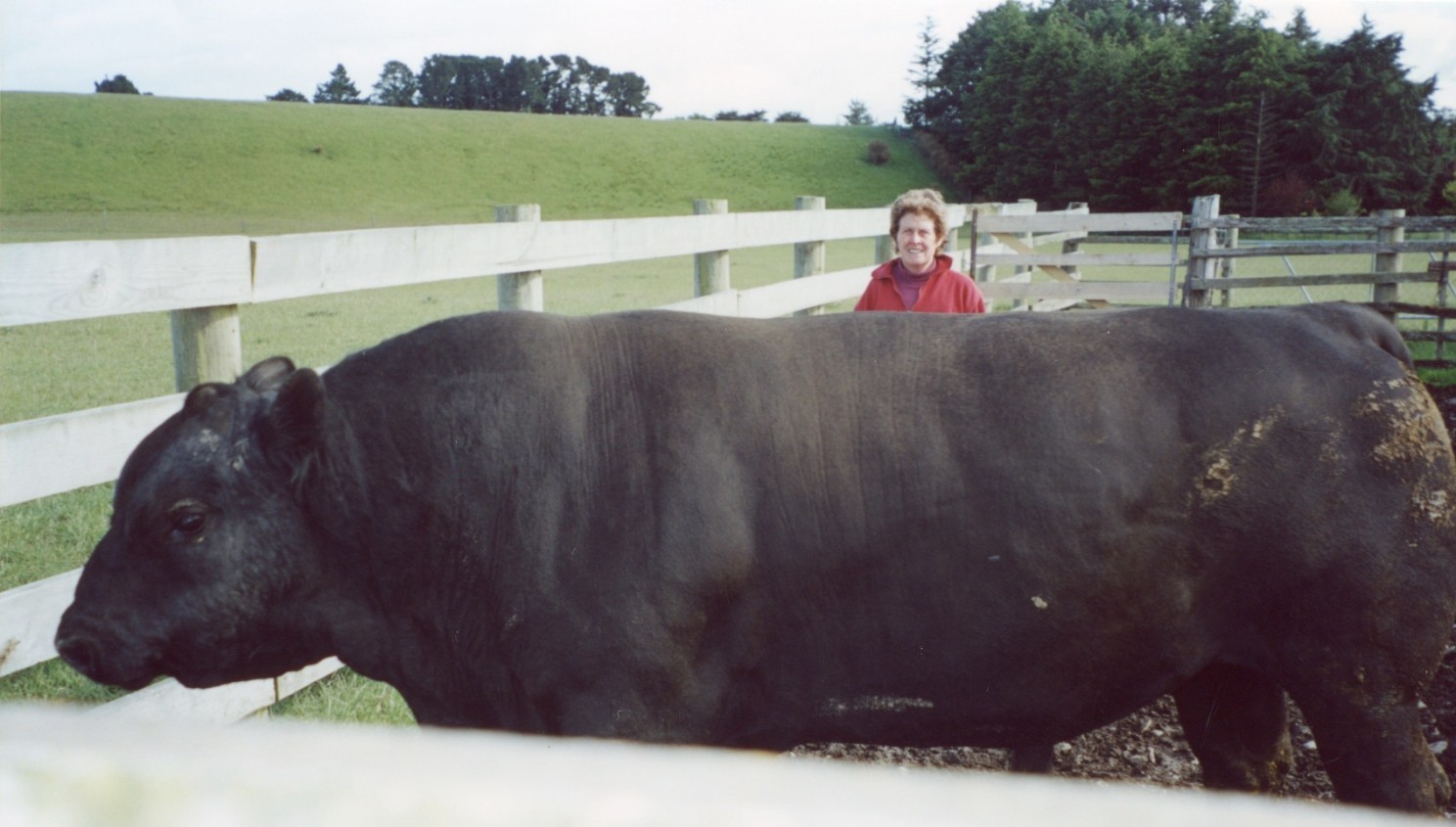
Mum with one of her Angus Bulls.

It began with a shared intent: keep the family farm in the family. But living that intent took time, courage, and compromise.

My brother had returned home post-earthquake and was working alongside Mum. I knew I didn’t want to farm it full time—but I did want a clear plan that honoured our family’s legacy and I did want to retain a connection with the land.

We engaged advisors. Ran workshops. Explored different options. At times, the conversations broke down. Progress was slow. Emotions & frustrations at times ran high.

Eventually, we explored a buyout option, and after 8 months of negotiation, we agreed: he would retain the farm, stock, and plant; I would retain a small bush block; and we would settle with a cash component.

Then, just weeks later, and before we could action a formal contractual agreement, Mum passed away quite suddenly.
Article content
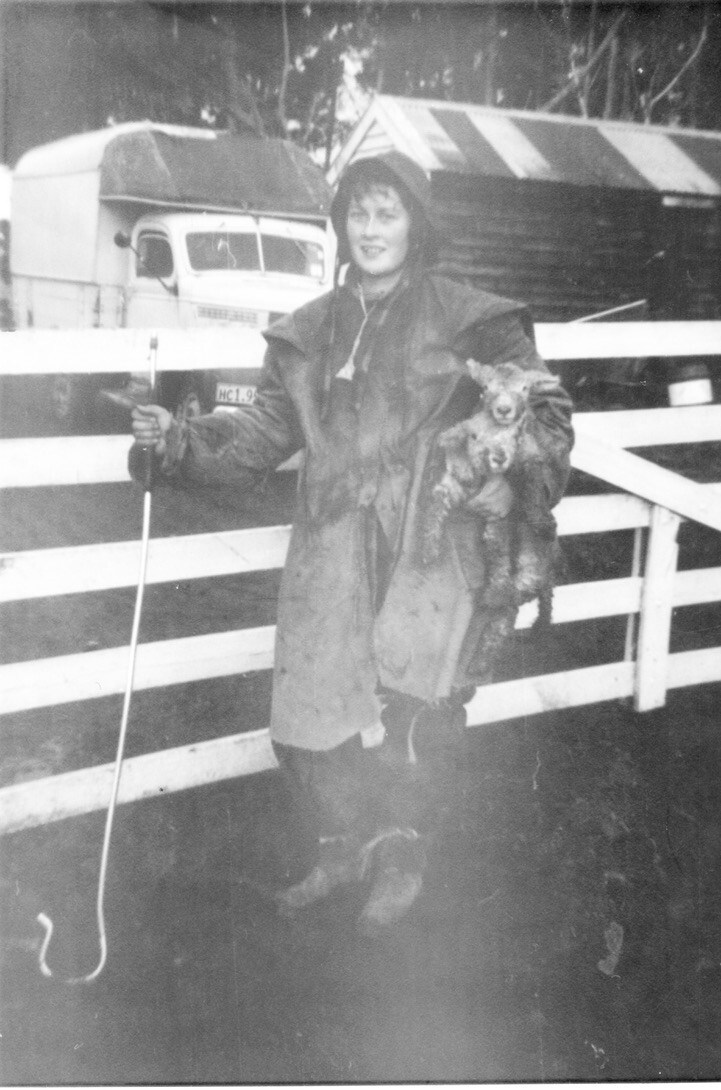
Mum: A registered nurse before 40 years farming – always a farmer at heart.

It was a powerful reminder that succession planning must account for the unexpected. Without a plan, we would have faced increased financial risk, a lengthy process, and family strain—right in the middle of personal grief. We had to navigate a funeral and the probate process which added complexity.

Thankfully, we had a foundation plan in place. Not perfect. But one that we could implement with minor amendments.

What I’ve personally learned:

  • Create a clear pathway. One that gradually leads to an agreed and aligned plan—don’t leave it to chance.
  • Start early. Succession is a process, not an event. It takes far longer than you might think.
  • Expect the unexpected. Illness, death, or external pressure can shift everything and quite suddenly.
  • Know the role. For several years prior to her death I had the financial power of attorney for Mum and the responsibility and governance that brings. It added unexpected complexity and conflicts that were hard to balance. The requirement to do the right thing on Mums behalf (business and care) whilst balancing the interests of my brother & my self as we explored the options for farm transition.
  • Fair ≠ equal. Seek outcomes that are pragmatic, fair and respected, not just based on accounting numbers. It comes back to being clear what each party wants and managing expectations.
  • Anchor to shared intent. Our north star was Mum’s wish to keep the farm in the family. We were able to return to this when it got hard and it brought us back on track.
  • Use trusted external advisers. They really help you to work through the conflicts that arise. They bring logic, neutrality, experience and structure to difficult conversations. Pay for the best advice and use it.
  • Learn from others who’ve done it well. Hearing the experience of others shortens the journey and protects relationships. Every situation is very different but there are many common issues – consider this lived experience and adapt it and apply it.
  • Stay connected as a family. Through birthdays, shared meals, and simple check-ins—relationships need their own care. So many families lose their way and relationships never recover.
  • Stay invested. I chose to leave funds in the farm to support my brother and his family’s success. That decision honoured our mother’s intent and legacy—and my own values. I will always love the farm, the land and my family and as such will always be supportive and want it to remain a family jewel.

Succession is the ultimate long game. It’s not about control—it’s about stewardship. Not about what’s fair today—but what’s sustainable and sets up future generations.

If you’re on this path: take your time, talk openly, and build a plan before you need one.

You will need courage and guidance to navigate many options and decisions.

I say trust the process. Inaction is not an option because we all have to face it.

Because when succession is done well, it strengthens more than a business. It strengthens a family. If done poorly it can destroy the bonds of any family and sadly, after a lifetime of success and achievement a lasting legacy will be about how you exit and the way the remaining family feels.
Article content

If you’re navigating succession in a family business, I’m always happy to connect, share, or listen. #SuccessionPlanning #FamilyBusiness #Leadership #Governance #Legacy #Agribusiness
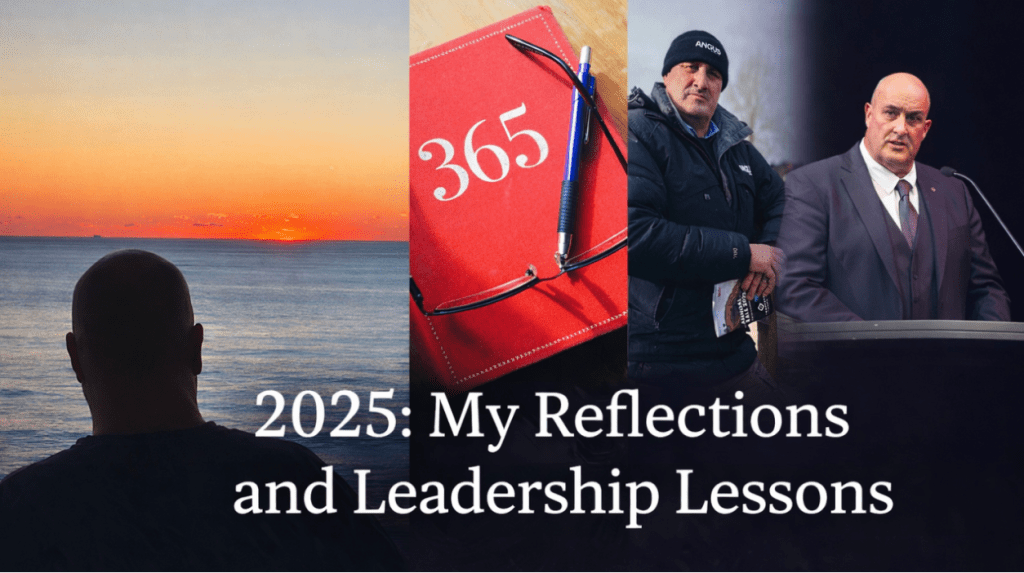
Leading With Intent

“Leaders are not paid to make the inevitable happen.”

This year has been a reminder that leadership is never static. For many people and organisations across New Zealand and Australia, 2025 has been demanding. Economic pressure, talent shortages, and persistent productivity challenges have been constant themes. Within that context, Pivot & Pace continued to evolve—stretching how we work, embracing AI-enabled processes, and ultimately delivering our strongest financial results to date. That outcome belongs to our entire team.

Greg has been instrumental in our ongoing success. His diligence, capability as a speaker and consultant, relentless work ethic, good humour and steady guidance anchor our business. Marie has continued to be the backbone of our client support and internal business operations, particularly as our service model and tools have evolved significantly. This year we reshaped our support team and welcomed Lisa, who has already strengthened our rhythm and capacity in her Associate and Executive Support role.

Our board also experienced important renewal. We farewelled two outstanding contributors, Denis Snelgar and Stuart Chrisp, whose wisdom and governance stewardship have shaped the firm’s journey. We also welcomed Mark Revis, who brings fresh energy, property and governance experience as we look to our next horizon. What has got us here won’t get us to where we are going!

As a firm, we continued to build on strong strategic partnerships with John Spence, the University of Canterbury, and through our third year sponsoring the Canterbury Civil Contractors’ Annual Awards and fourth year as a key sponsor of the Canterbury Institute of Directors. These relationships, alongside other professional services partnerships, have contributed to our learning, resilience, market insight and, importantly, enduring professional friendships. It also our way of giving back to those who support us.

Alongside the organisational story sits the personal one. Losing Mum in early January brought the year into sharp focus. Acting as executor alongside my brother was challenging but meaningful, and it also enabled us to complete our family farm succession—transitioning it after 110 years to my brother. That is something I am really proud of. It took compromise, challenging conversations and time to achieve my mothers intent & legacy.

This year marked my 21st year of self-employment, our 19th year of marriage (thanks to my wife for the endless support), and Pivot & Pace’s seventh year as a branded entity. I taught two postgraduate university courses, spent 36 days working in Australia across five trips, and managed seven weeks of leave. Our eldest daughter graduated with her Bachelor of Commerce, made the Dean’s List, and earned a scholarship to continue developing her tech start-up (very proud Dad) & our youngest two thrived at school and sport. The death of a good Army mate (who did some work for us at P&P) was tough reminder of how quickly life shifts and its fragility. In April I was awarded the ED by the NZ Army and made the decision to leave the Army on 1 December, concluding 34 years of service.

The data from the year reinforces my ongoing commitment to discipline and wellbeing—something that is a constant challenge. This years numbers include:

• 145 alcohol-free days – started tracking this year: scary

• 10,008 average daily steps – nailed the 10k

• 89 weights sessions and 133 cardio sessions – whew they hurt!

• 467.7 km fast-walked in dedicated workouts – Infantry knees hanging in there!

• 43 minutes of exercise per day on average (up from 34 in 2024) – Yay

• Average sleep of 7 hours 19 minutes – zzzzz need it!

• Cardio fitness above average – LOL I’ll take that as a win thanks Apple watch!

• 78 flights and 46 nights away from home working – It felt a big travel year & was.

• 31 business and biography books read – most things in the world have already been done….learn from others!

We are lucky enough to work closely with many of New Zealand’s admired businesses as they seek to improve, navigate change and implement their strategic goals. The learning is continuous, the expectations are high and the relationships are ones requiring high trust. I am grateful for the opportunities this presents and am constantly amazed at the international, national, industry and regional awards many of our clients have achieved.

It has also been a tough year for all leaders and businesses. Change has been constant. There have been really tough decisions, many courageous conversations and all have worked hard. Some industries have struggled while others have thrived. Through it all there has been a need to exercise judgement and to support key decisions – leadership is never easy.

From a client delivery perspective—relating to my own client work— annual highlights included:

• 26 executives coached individually within our Executive Leadership Programme

• Working closely as a strategist and advisor contracted to 18 different senior leadership teams and a number of Boards.

• 43 board meetings in a formal governance (chairing 34) including my first Australian board chair role.

• 41 strategic implementation planning sessions

• Four keynotes delivered and a black-tie dinner hosted

Across all of this, these key leadership lessons/reflections were my top 5;

  1. When we don’t reflect, we repeat. Reflection, self-awareness and understanding how we are perceived remain such underdeveloped skills in many senior leaders. Without reflection, mistakes recur, opportunities are missed and agility is lost. At a national level, persistent low productivity reflects this gap. Reflection is not a luxury—it is foundational to resilient leadership and building high-performing organisations.
  2. Leaders who avoid the frontline lose relevance. Tied in to point 1, absence at the frontline means leaders are not situationally aware. This erodes customer insight, safety awareness, operational understanding and credibility. Worse than that the opportunity to influence and motivate is lost. Teams acutely feel the absence of their invisible leaders. Leaders who are visible, curious and connected make better decisions—because they are grounded in reality, not assumptions.
  3. A three-year strategy without a long-term vision creates risk. Too many organisations anchor themselves to short-cycle planning that masquerades as strategy. Without a 10-year (or longer) vision and a clear mid-term strategy, companies drift into lists of operational preferences. Long-term intent forces discipline, prioritisation and investment thinking; without it, businesses default to being transactional, constantly needing to react & decline.
  4. Succession remains one of leadership’s biggest failures. Weak talent pipelines, unclear pathways and avoided conversations create disengagement among the very people organisations most need to keep. Boards who have directors with no clear tenure and no succession create the same in their management teams. This year I have seen banks seeking reassurance about board and CEO succession before lending—a signal of how material this risk has become. Succession is not an event; it is an ongoing critical process that requires strong leadership and courage.
  5. Exploitation dominates while exploration is neglected. Many organisations optimise relentlessly for today while underinvesting in exploration. This imbalance increases mid-term risk and erodes long-term value. The leaders who will win the next decade are those who rebalance intentionally and very few organisations invest in the processes to allow both activities to occur concurrently.

Leading with intent does not mean getting everything right. It means owning the learnings, staying connected to people, and intentionally committing to disciplined improvement.

It has been a full year—one I look back on with a mix of satisfaction and pride. Reflection highlighted to me just how much happens over twelve months: the mistakes, the learning & growth, the moments of overwhelm, and of course the wins! It is so easy to forget the great stuff that happens! Being able to laugh, take time out, work as a team and confide in like minded professionals keeps things real and grounded.

A long summer break now beckons. I look forward to returning in 2026 to review & challenge our own business vision and strategy implementation plan – live what we teach! Then to continue the journey alongside the leaders and organisations we are privileged to support as they work to “get it done” amid the complexity of modern business.

What have you learnt in 2025?

Click here to read: My personal family farm succession journey & reflections

Click here to watch a short video outlining what we do and how we do it.

2022: Leadership Lessons I Learnt

Did we have a good year? 

That’s the question I put to my business partner Greg Allnutt on the 16th of December 2022 at our team function as we shared a number of Central Otago Pinot Noirs.

It might be an odd question and although I knew it had been a good year, we were both exhausted that afternoon and eager to start a 4 week summer break.

The year had screamed past in a blur for all of us at Pivot & Pace!

We have grown our business & our team, launched a new service into the market, invested in ongoing learning & education, sponsorships, grown partnerships with other like minded professional organisations & focussed relentlessly on helping our clients to grow, evolve, change…..to get break throughs. 

The outcome was a range of client metrics & client successes we are proud of. A lot of work but upon reflection fun work, challenging work and meaningful work. It has been a year of leading change, planning, supporting governance and business restructures, being involved in funding/capital raises, business sales & merges, innovation projects, training, coaching, learning, studying, collaborating, facilitating, networking and at times counselling. As a company and team we made definitely a big impact in 2022!

As I reflect, there were times I felt overwhelmed at the amount of work and complexity of it, It seemed far more serious than other years and sometimes I felt quite isolated given the amount of travel and the requirement to work alone away from the office and team support. I know that many directors and CEO’s have felt the same way and in reality it was year 3 of the covid pandemic & there are a myriad of other converging uncertainty we face in the business world.

In fact many executive teams and individuals reported feeling exhausted mid year and again in October and many were like me…..eagerly anticipating a good summer break.

What leadership lessons did I learn? I looked back over my reflections journal and there are many, many learnings. Here are my top 5 big ones.

  1. Leadership is not a popularity contest. Not a new learning but perhaps a good reminder. Not everyone will like you, your approach, your decisions or how you do it….. & that’s ok. There have been a number of times I have had to stop, reflect, challenge my thinking, reflect on values and either change or be comfortable that it is OK. Moral courage, a documented leadership philosophy and values have paid dividends in time of constant change & lots of ambiguity. Lead yourself well before expecting to do well in other areas of leadership. Remain humble, always seek to be better & don’t take yourself too seriously!
  2. When you care you give a bit of yourself. When woking closely with good leaders as their trusted adviser it is hard not to take on some of their stress. When dealing with complex issues at board and executive level & constant, ongoing change it takes a toll. The regular breaks, keeping fit and pursuit of personal interest are important to maintain and easy to skip. Plan and stay focussed.
  3. Be connected & Keep Learning. A network of mentors, like minded professionals, coaches, friends and family are critical for support & to keep you grounded, on track and to have a bit of fun. Success makes you soft (certainly it is a lousy teacher). Stay true to who you are and when things go off track – reflect, regroup and start again.
  4. We are in a period of ongoing and relentless change (& it is just beginning!). With that comes risk (for sure) but more importantly huge opportunities for those leaders and organisations that can remain agile, focussed and who have a long term vision. Disrupt Business as usual to ensure the important stuff is being implemented rather than just the next urgent thing. A ten year Vision allows you to adjust the strategy many times.
  5. Give back. Each year I work with a number of future leaders and organisations (for no pay) because I love their passion and potential. Some of these investments have paid huge dividends in terms of the impact it has made, the networks it has allowed me to join and the leaders who have gone on to do many things. Givers definitely get….in may ways. Serve with pride.

Always be prepared – Opportunities do not schedule appointments

Key personal achievements over the year;

  • Our business and team has grown. Those in the company have worked hard, contributed 100% and made an impact. 
  • Successfully completed a course of study at Harvard Business School in Disruptive Strategy.
  • It was my 18th year of self employment.
  • Professionally exited two boards as an independent director at the end of my tenure (EMD Advantage Ltd & Groundline Engineering Ltd) and joined two other boards (Oderings Garden Centres & The Connect Group Ltd).
  • As a company we launched the “Operational Leader Programme” which was developed at the request of client feedback. This is an extension of our Executive Leadership Programme.
No alt text provided for this image
Gisbourne Bull sale week. Talking bull with the Chair of Angus New Zealand.

Some key personal stats over the year that I track annually; 

  • Completed 215 fitness/physical workouts. Averaged 32 minutes per day & 8725 steps per day across 2022.
  • Averaged 7 hours and 23 mins of sleep per night over the year.
  • Took 49 flights for work including 3 trips to Australia with clients.
  • Over 2022 I worked as a strategic adviser to 21 different executive leadership teams
No alt text provided for this image
  • Worked on 9 boards of Directors (transitioning off 2 & being appointed to 2 more) and worked as a Strategic adviser/strategist to 9 other boards.
  • Across 2022 attended (as a director) 58 Board meetings chairing 23 of them
  • Facilitated 42 strategy sessions.
  • Facilitated 16 customised leadership workshops for various executive teams.
  • Delivered 211 one on one formal coaching sessions for 42 different Executive leaders.

2022 was a busy and professionally rewarding year.

Lean in! Today I begin the 2023 work year and all the opportunities it brings.

Accessing the Right Strategic Advice at Board Level

“Excellence is never an accident. It is always the result of high intention, sincere effort, and intelligent execution; it represents the wise choice of many alternatives – choice, not chance, determines your destiny.”

Panel event Christchurch: Aug 22

We recently hosted a well attended panel event for the Canterbury Institute of Directors which included a mix of experienced directors with diverse & extensive governance experience.

Directors are mandated to work in the best interests of a company and to ensure (among other things) the entity is purposeful, successful, compliant, safe and future focussed. Inherent with this is the challenge of successfully navigating growth pains and the uncertainty of executing new or innovative strategic initiatives. As a company evolves and grows it will need access to different advice at various times in order to mitigate risk or to manage/navigate complexity. 

The 10 key insights outlined by the panel included;

  1. Whilst there is real value in long term advisers who deeply know the business, a company can outgrow existing advisers for a variety of reasons. A key indication can be where they no longer really challenge ideas nor present alternate solutions/insights.
  2. Many new advisers will be introduced via the network of independent directors and certainly referral is the most common approach. That said a board should not discount going to the market and seeking advice from outside an immediate network.
  3. Advisers can support board sub-committee initiatives/projects and join a board for select agenda items. This adds real value and expertise whilst also changing the conversation.
  4. It takes courage for a company founder to form a board and to then seek advice on a regular basis. Those that do tend to get business break throughs and lift the growth trajectory of the business.
  5. Specialist advisers can address sensitive topics in an un-emotive way backed up by data and examples which allows the topic to be explored in different ways. Clever/experienced leaders often need to be gently reminded of the options to ensure the best decision for the organisation is made.
  6. It is important to note that Advisers cannot resolve all the issues a business faces. Sometimes there is real value in the organisation working through challenging topics and reaching the solution internally.
  7. There are times a long term adviser might be conflicted ie where they advise shareholders/family trusts. As a company grows a board can feel the need to seek independent/unencumbered advice for the directors.
  8. As advisers are engaged they should fit the business culture, understand the business and earn the trust of the board. There are times it is more appropriate for advisers to be engaged/retained by the board vs by the CEO/management team.
  9. Candid discussions are often required to add real value whereby an adviser challenges ideas and is prepared to push back on status quo thinking to ensure new ideas are explored fully. Those who can “straight talk” often make a real impact.
  10. Every board and company situation is quite different and a mix of technical expertise, judgement and EQ skills are essential for a skilled adviser.

Without a doubt there is real value in accessing the right advice at the right time to actively contribute to key break throughs or important decisions. Some advice can be quite transactional, project based or specialist whilst other advisers may need to work alongside the company longer term complementing the board of directors.

Regardless of the type of advice or length of engagement this is an effective way to inform key decisions or to maintain momentum or speed of execution.

The Agile Leadership Mindset

I find myself talking about mindset a lot these days. In board meetings, with founders, with CEO’s, with Senior Leadership Teams and in one on one executive leadership coaching sessions. Why? Because it seems being intentional about your mindset is not common in the business leadership environment.

In elite sport & in military leadership mindset is all important and actively part of the coaching agenda. Those with a growth mindset, who can learn from and build on mistakes tend to progress to excellence and certainly are more resilient to set backs/failure.

Common mindsets to challenge in the business environment;

  • Being Reactive. The feeling and frustration of being constantly reactive. This is usually created by a lack of a structured framework for leading. Regular strategic thinking time, time with the team in the field, time with strategic customers and relationships of the business, one on ones with direct reports, professional development and reading (and many other important things) are not locked down in calendars. When well meaning team members look to bring you in on meetings there is nothing blocked out. You become reactive yet you are the only one who can change this.
  • The founder mindset. Most understand that what has got the company to this point in time won’t get it to the next level and despite investing in governance, professional advisers and management leaders they continue to stick to the familiar/ original narrative. By holding on too tight, conversations are shut down, new ways & opportunities are discounted before being explored fully and either adopted, adapted or discounted. The frustration of never getting a return on those investments grows despite knowing a return to status quo is not the answer either.
  • The new Team Leader Mindset. New team leaders are promoted based on merit and then are not mentored to understand that not only do they set the example for behaviours, their role now includes some really high value and critical tasks. Things such as planning ahead, anticipating problems, contingency planning, front footing conversations about poor performance behaviours etc are often never taught, prioritised and therefore don’t get done consistently.
  • The “backward” looking governance mindset. Boards start with and prioritise the historical performance of the business instead of being curious about the future strategic objectives. Supporting the CEO and executive team to break through key blockages and to wrestle down the big challenges to ensure the future success of the business is the most impactful and key role of directors.
  • The “I don’t read books” mindset. Reading books is just one way to absorb information in a world of audio books, video content and digital tools. Most things in business have been done before so a learning and inquiring mindset allows anyone to access excellent tools, ideas, tips and experience often at no cost.
  • The “I’m too busy to take time out to reflect mindset”. Never reflecting on why things keep happening in a certain way. Reflecting and learning lessons from each key projects, staff interactions etc is key to ensuring a leader gets better and better each time. Many leaders never reflect on why they keep getting the same results and often because they are too busy.
  • The “we are different to any other business” mindset. Some leaders and founders feel that their business is so unique, technical, or challenging that business lessons from other industries cannot be applied to their situation. In fact every business on the planet involves leading clever teams of people to deliver great product/services to paying customers with the intent to make some level of profit. So it stands to reason there are many similarities and therefore ideas and tools that can be explored and applied no matter what you do.

A growth mindset allows failure but all importantly also to learn from those mistakes and to have the resilience to carry on. New ideas can be kicked around without egos being bruised whilst trying some new ideas, tools, opportunities and ways of delivering a better future outcome. Business is not static, in fact it is a constantly changing and complex environment that requires a growth mindset. New ways of learning, consuming information, banking the stories and lessons of others (so you don’t have to learn it first hand) allow leaders to stay at the top of their game.

How do you constantly challenge your mindset? Do you choose it intentionally based of the many situations you can face across a day or week?

The Impact of Establishing an Effective Advisory Board

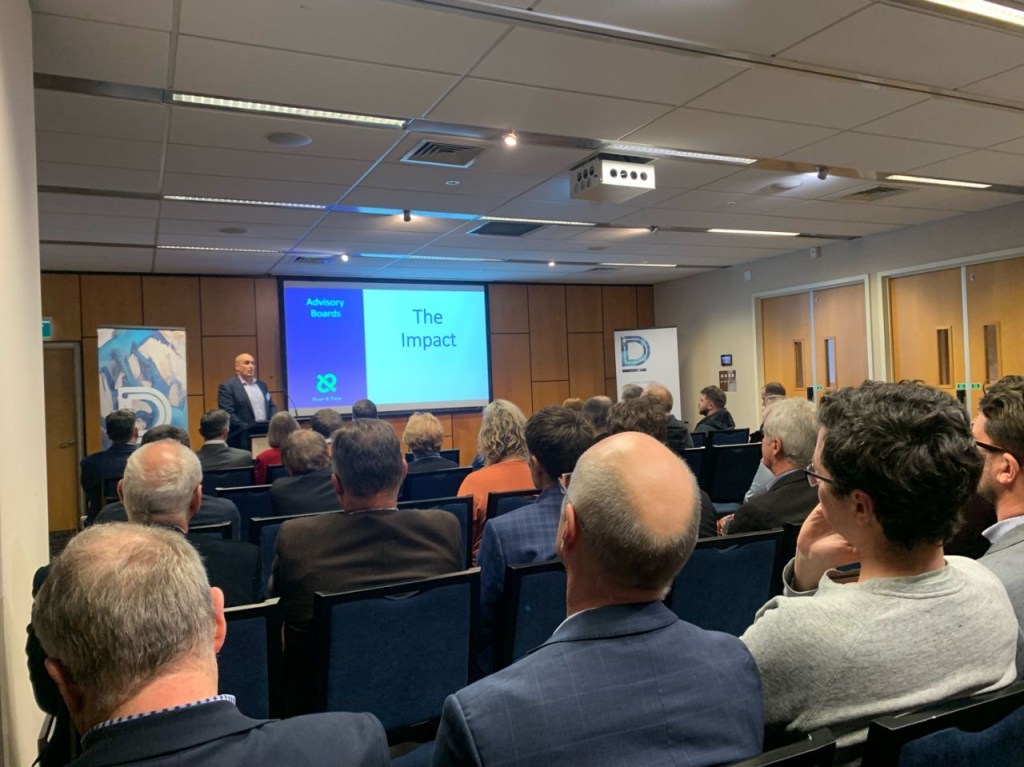
I recently spoke in Christchurch at an Institute of Directors event on the impact Advisory Boards can have for businesses who choose to implement them. There was then a panel discussion that further explored the topic.

I currently have four independent directorships (currently chairing two boards). In my consulting role I work as a strategist, high performance leadership coach and adviser to a number of Boards of Directors. At any one time a number of our client companies are restructuring Advisory Boards or establishing them for the first time.

In my opinion establishing an Advisory Board is a great way to add some real value to a business. It is a safe way to test the waters as to whether a formal board structure is the right course of action and a safe way for long term business owners to get their heads around this option. Interestingly founders having had an advisory board and then going on to establish a full board often reflect that they wish they had established the formal board from the get go. That said there is usually a healthy desire for an Advisory Board as a logical stepping stone.

The purpose of an advisory board is to allow the directors of the business to access regular strategic advice from a group of trusted advisers familiar with the business who can contribute to the future success of the business. It’s also a robust platform for working on the business rather than in it. 

The IOD 4 pillars book (starting page 80) has a chapter on Advisory Boards and I point this out it as a very good reference. I particularly like very first headline bullet point – “Advisory Boards provide advice but do not make decisions and have no authority to govern.”

Legally an Advisory Board offers advice which the directors of the Company can choose to adopt or not. The advisers are effectively operating in a consulting capacity and the minutes must be careful to note that these conversations are such. This prevents those advisers from being deemed as acting in the capacity of a director. 

In my experience the key advantages of establishing an effective Advisory Board are;

  • They allow the shareholder, director and management discussions to be separated often for the first time. This adds structure and clarity. Shareholder expectations can be discussed in a separate meeting allowing the directors to focus fully on governing the business.This then starts the process of allowing the MD or GM to drive the business day to day.
  • Different Advisers can be engaged come for certain pieces of advice or thinking which changes the discussion and allows deeper/broader consideration of advice.
  • The Advisory Board is a stepping stone for succession that allows founders to get out of their business day to day. They can begin to see and understand how they can govern their business without being in it day to day. If run effectively it allows a discussion that rises above the day to day operations of the business……to give that valuable helicopter view of the business.
  • A strategic agenda can be discussed and a focus put on the execution that creates momentum.
  • The way decisions have traditionally been made is challenged and creates different outcomes.
  • Trust is built as to how to listen to advice and take advice. Many businesses seek advice but don’t adopt that advice. In my view when a business starts to value the advice and implement it the business starts to grow up. There are break throughs as the important things start to get addressed.
  • If the business is coming under management it allows a platform that supports the CEO/GM to be given the autonomy to lead. It helps the founder get out of the way whilst providing the confidence that there is still accountability and transparency. It can allow founders to have a management role that may not be making the key decisions day to day.

There are a number of ways to approach the implementation of an advisory board and certainly every situation is subtly different. Getting this right can really allow a business to get key break throughs and to realise their potential.

Our Company Culture: Culture Eats Strategy for Breakfast

Our company culture is a critical success factor in our business. We took some time out to articulate what our culture is and how we approach our work as a team.

What we are seeing in the market

Working alongside clients we see some patterns. This brief video outlines what businesses are facing in the current environment and how they are navigating the market. Most are thriving.

The future of Governance

Governance is an important component of any business. All companies have directors but not all place an emphasis on its importance nor the value it can add. It is a key part of succession (allowing owners the transition or sell), accessing external funding, maximising value to shareholders and reduces business risk as the organisation navigates change or challenge. On top of that it supports talented CEO’s to thrive and reach their potential.