Farm & Family Business Succession: A Personal Reflection

Succession in a family business isn’t a transaction. It’s a test of leadership, patience, and values.

For our family, it was a journey that took more than a decade—from the first conversations with Mum in 2012 to final settlement in May 2025, just months after she passed.
Article content
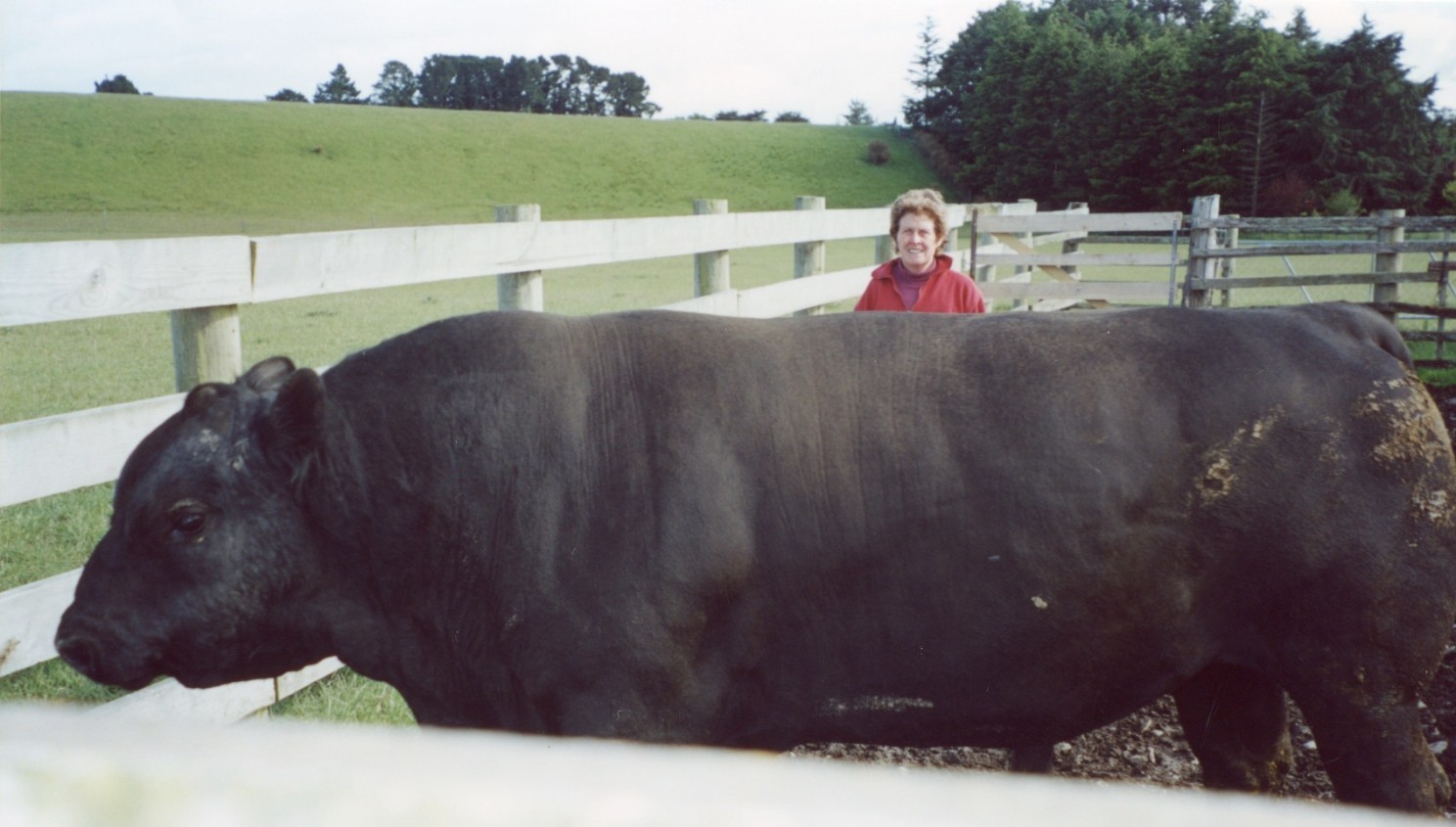
Mum with one of her Angus Bulls.

It began with a shared intent: keep the family farm in the family. But living that intent took time, courage, and compromise.

My brother had returned home post-earthquake and was working alongside Mum. I knew I didn’t want to farm it full time—but I did want a clear plan that honoured our family’s legacy and I did want to retain a connection with the land.

We engaged advisors. Ran workshops. Explored different options. At times, the conversations broke down. Progress was slow. Emotions & frustrations at times ran high.

Eventually, we explored a buyout option, and after 8 months of negotiation, we agreed: he would retain the farm, stock, and plant; I would retain a small bush block; and we would settle with a cash component.

Then, just weeks later, and before we could action a formal contractual agreement, Mum passed away quite suddenly.
Article content
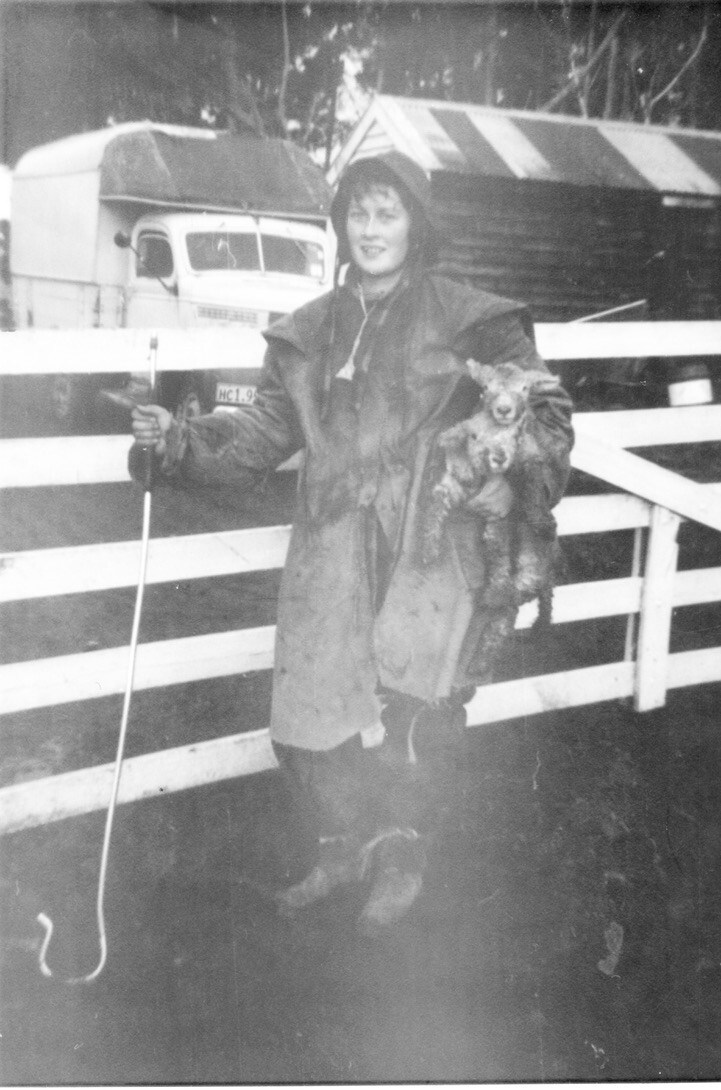
Mum: A registered nurse before 40 years farming – always a farmer at heart.

It was a powerful reminder that succession planning must account for the unexpected. Without a plan, we would have faced increased financial risk, a lengthy process, and family strain—right in the middle of personal grief. We had to navigate a funeral and the probate process which added complexity.

Thankfully, we had a foundation plan in place. Not perfect. But one that we could implement with minor amendments.

What I’ve personally learned:

  • Create a clear pathway. One that gradually leads to an agreed and aligned plan—don’t leave it to chance.
  • Start early. Succession is a process, not an event. It takes far longer than you might think.
  • Expect the unexpected. Illness, death, or external pressure can shift everything and quite suddenly.
  • Know the role. For several years prior to her death I had the financial power of attorney for Mum and the responsibility and governance that brings. It added unexpected complexity and conflicts that were hard to balance. The requirement to do the right thing on Mums behalf (business and care) whilst balancing the interests of my brother & my self as we explored the options for farm transition.
  • Fair ≠ equal. Seek outcomes that are pragmatic, fair and respected, not just based on accounting numbers. It comes back to being clear what each party wants and managing expectations.
  • Anchor to shared intent. Our north star was Mum’s wish to keep the farm in the family. We were able to return to this when it got hard and it brought us back on track.
  • Use trusted external advisers. They really help you to work through the conflicts that arise. They bring logic, neutrality, experience and structure to difficult conversations. Pay for the best advice and use it.
  • Learn from others who’ve done it well. Hearing the experience of others shortens the journey and protects relationships. Every situation is very different but there are many common issues – consider this lived experience and adapt it and apply it.
  • Stay connected as a family. Through birthdays, shared meals, and simple check-ins—relationships need their own care. So many families lose their way and relationships never recover.
  • Stay invested. I chose to leave funds in the farm to support my brother and his family’s success. That decision honoured our mother’s intent and legacy—and my own values. I will always love the farm, the land and my family and as such will always be supportive and want it to remain a family jewel.

Succession is the ultimate long game. It’s not about control—it’s about stewardship. Not about what’s fair today—but what’s sustainable and sets up future generations.

If you’re on this path: take your time, talk openly, and build a plan before you need one.

You will need courage and guidance to navigate many options and decisions.

I say trust the process. Inaction is not an option because we all have to face it.

Because when succession is done well, it strengthens more than a business. It strengthens a family. If done poorly it can destroy the bonds of any family and sadly, after a lifetime of success and achievement a lasting legacy will be about how you exit and the way the remaining family feels.
Article content

If you’re navigating succession in a family business, I’m always happy to connect, share, or listen. #SuccessionPlanning #FamilyBusiness #Leadership #Governance #Legacy #Agribusiness

Farm & Family Business Succession: A Personal Reflection

Succession in a family business isn’t a transaction. It’s a test of leadership, patience, and values.

For our family, it was a journey that took more than a decade—from the first conversations with Mum in 2012 to final settlement in May 2025, just months after she passed.

Article content
Mum with one of her Angus Bulls.

It began with a shared intent: keep the family farm in the family. But living that intent took time, courage, and compromise.

My brother had returned home post-earthquake and was working alongside Mum. I knew I didn’t want to farm it full time—but I did want a clear plan that honoured our family’s legacy and I did want to retain a connection with the land.

We engaged advisors. Ran workshops. Explored different options. At times, the conversations broke down. Progress was slow. Emotions & frustrations at times ran high.

Eventually, we explored a buyout option, and after 8 months of negotiation, we agreed: he would retain the farm, stock, and plant; I would retain a small bush block; and we would settle with a cash component.

Then, just weeks later, and before we could action a formal contractual agreement, Mum passed away quite suddenly.

Article content
Mum: A registered nurse before 40 years farming – always a farmer at heart.

It was a powerful reminder that succession planning must account for the unexpected. Without a plan, we would have faced increased financial risk, a lengthy process, and family strain—right in the middle of personal grief. We had to navigate a funeral and the probate process which added complexity.

Thankfully, we had a foundation plan in place. Not perfect. But one that we could implement with minor amendments.

What I’ve personally learned:

  • Create a clear pathway. One that gradually leads to an agreed and aligned plan—don’t leave it to chance.
  • Start early. Succession is a process, not an event. It takes far longer than you might think.
  • Expect the unexpected. Illness, death, or external pressure can shift everything and quite suddenly.
  • Know the role. For several years prior to her death I had the financial power of attorney for Mum and the responsibility and governance that brings. It added unexpected complexity and conflicts that were hard to balance. The requirement to do the right thing on Mums behalf (business and care) whilst balancing the interests of my brother & my self as we explored the options for farm transition.
  • Fair ≠ equal. Seek outcomes that are pragmatic, fair and respected, not just based on accounting numbers. It comes back to being clear what each party wants and managing expectations.
  • Anchor to shared intent. Our north star was Mum’s wish to keep the farm in the family. We were able to return to this when it got hard and it brought us back on track.
  • Use trusted external advisers. They really help you to work through the conflicts that arise. They bring logic, neutrality, experience and structure to difficult conversations. Pay for the best advice and use it.
  • Learn from others who’ve done it well. Hearing the experience of others shortens the journey and protects relationships. Every situation is very different but there are many common issues – consider this lived experience and adapt it and apply it.
  • Stay connected as a family. Through birthdays, shared meals, and simple check-ins—relationships need their own care. So many families lose their way and relationships never recover.
  • Stay invested. I chose to leave funds in the farm to support my brother and his family’s success. That decision honoured our mother’s intent and legacy—and my own values. I will always love the farm, the land and my family and as such will always be supportive and want it to remain a family jewel.

Succession is the ultimate long game. It’s not about control—it’s about stewardship. Not about what’s fair today—but what’s sustainable and sets up future generations.

If you’re on this path: take your time, talk openly, and build a plan before you need one.

You will need courage and guidance to navigate many options and decisions.

I say trust the process. Inaction is not an option because we all have to face it.

Because when succession is done well, it strengthens more than a business. It strengthens a family. If done poorly it can destroy the bonds of any family and sadly, after a lifetime of success and achievement a lasting legacy will be about how you exit and the way the remaining family feels.

Article content

If you’re navigating succession in a family business, I’m always happy to connect, share, or listen. #SuccessionPlanning #FamilyBusiness #Leadership #Governance #Legacy #Agribusiness

The Agile Leadership Mindset

I find myself talking about mindset a lot these days. In board meetings, with founders, with CEO’s, with Senior Leadership Teams and in one on one executive leadership coaching sessions. Why? Because it seems being intentional about your mindset is not common in the business leadership environment.

In elite sport & in military leadership mindset is all important and actively part of the coaching agenda. Those with a growth mindset, who can learn from and build on mistakes tend to progress to excellence and certainly are more resilient to set backs/failure.

Common mindsets to challenge in the business environment;

  • Being Reactive. The feeling and frustration of being constantly reactive. This is usually created by a lack of a structured framework for leading. Regular strategic thinking time, time with the team in the field, time with strategic customers and relationships of the business, one on ones with direct reports, professional development and reading (and many other important things) are not locked down in calendars. When well meaning team members look to bring you in on meetings there is nothing blocked out. You become reactive yet you are the only one who can change this.
  • The founder mindset. Most understand that what has got the company to this point in time won’t get it to the next level and despite investing in governance, professional advisers and management leaders they continue to stick to the familiar/ original narrative. By holding on too tight, conversations are shut down, new ways & opportunities are discounted before being explored fully and either adopted, adapted or discounted. The frustration of never getting a return on those investments grows despite knowing a return to status quo is not the answer either.
  • The new Team Leader Mindset. New team leaders are promoted based on merit and then are not mentored to understand that not only do they set the example for behaviours, their role now includes some really high value and critical tasks. Things such as planning ahead, anticipating problems, contingency planning, front footing conversations about poor performance behaviours etc are often never taught, prioritised and therefore don’t get done consistently.
  • The “backward” looking governance mindset. Boards start with and prioritise the historical performance of the business instead of being curious about the future strategic objectives. Supporting the CEO and executive team to break through key blockages and to wrestle down the big challenges to ensure the future success of the business is the most impactful and key role of directors.
  • The “I don’t read books” mindset. Reading books is just one way to absorb information in a world of audio books, video content and digital tools. Most things in business have been done before so a learning and inquiring mindset allows anyone to access excellent tools, ideas, tips and experience often at no cost.
  • The “I’m too busy to take time out to reflect mindset”. Never reflecting on why things keep happening in a certain way. Reflecting and learning lessons from each key projects, staff interactions etc is key to ensuring a leader gets better and better each time. Many leaders never reflect on why they keep getting the same results and often because they are too busy.
  • The “we are different to any other business” mindset. Some leaders and founders feel that their business is so unique, technical, or challenging that business lessons from other industries cannot be applied to their situation. In fact every business on the planet involves leading clever teams of people to deliver great product/services to paying customers with the intent to make some level of profit. So it stands to reason there are many similarities and therefore ideas and tools that can be explored and applied no matter what you do.

A growth mindset allows failure but all importantly also to learn from those mistakes and to have the resilience to carry on. New ideas can be kicked around without egos being bruised whilst trying some new ideas, tools, opportunities and ways of delivering a better future outcome. Business is not static, in fact it is a constantly changing and complex environment that requires a growth mindset. New ways of learning, consuming information, banking the stories and lessons of others (so you don’t have to learn it first hand) allow leaders to stay at the top of their game.

How do you constantly challenge your mindset? Do you choose it intentionally based of the many situations you can face across a day or week?