Farm & Family Business Succession: A Personal Reflection

Succession in a family business isn’t a transaction. It’s a test of leadership, patience, and values.

For our family, it was a journey that took more than a decade—from the first conversations with Mum in 2012 to final settlement in May 2025, just months after she passed.
Article content
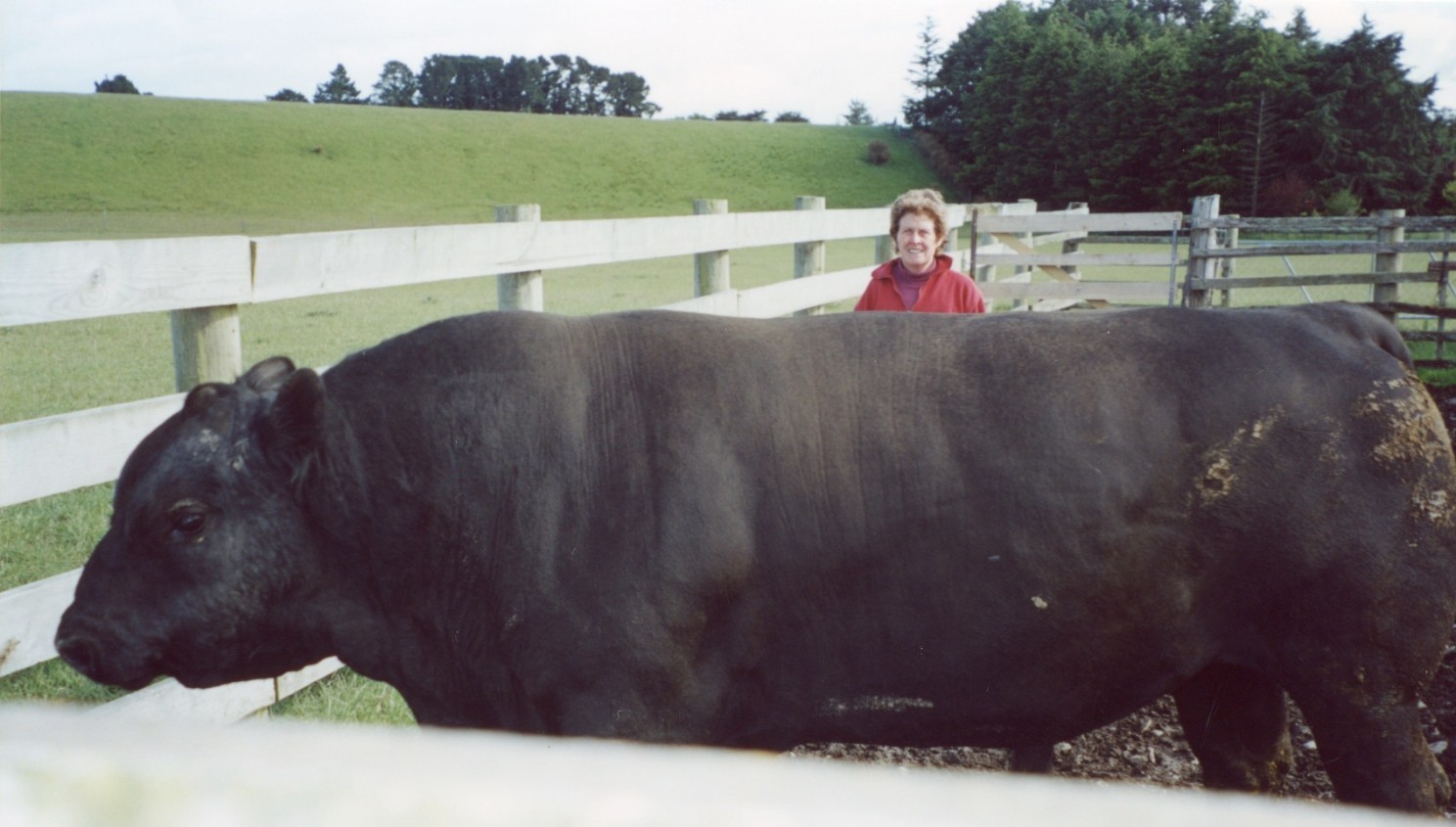
Mum with one of her Angus Bulls.

It began with a shared intent: keep the family farm in the family. But living that intent took time, courage, and compromise.

My brother had returned home post-earthquake and was working alongside Mum. I knew I didn’t want to farm it full time—but I did want a clear plan that honoured our family’s legacy and I did want to retain a connection with the land.

We engaged advisors. Ran workshops. Explored different options. At times, the conversations broke down. Progress was slow. Emotions & frustrations at times ran high.

Eventually, we explored a buyout option, and after 8 months of negotiation, we agreed: he would retain the farm, stock, and plant; I would retain a small bush block; and we would settle with a cash component.

Then, just weeks later, and before we could action a formal contractual agreement, Mum passed away quite suddenly.
Article content
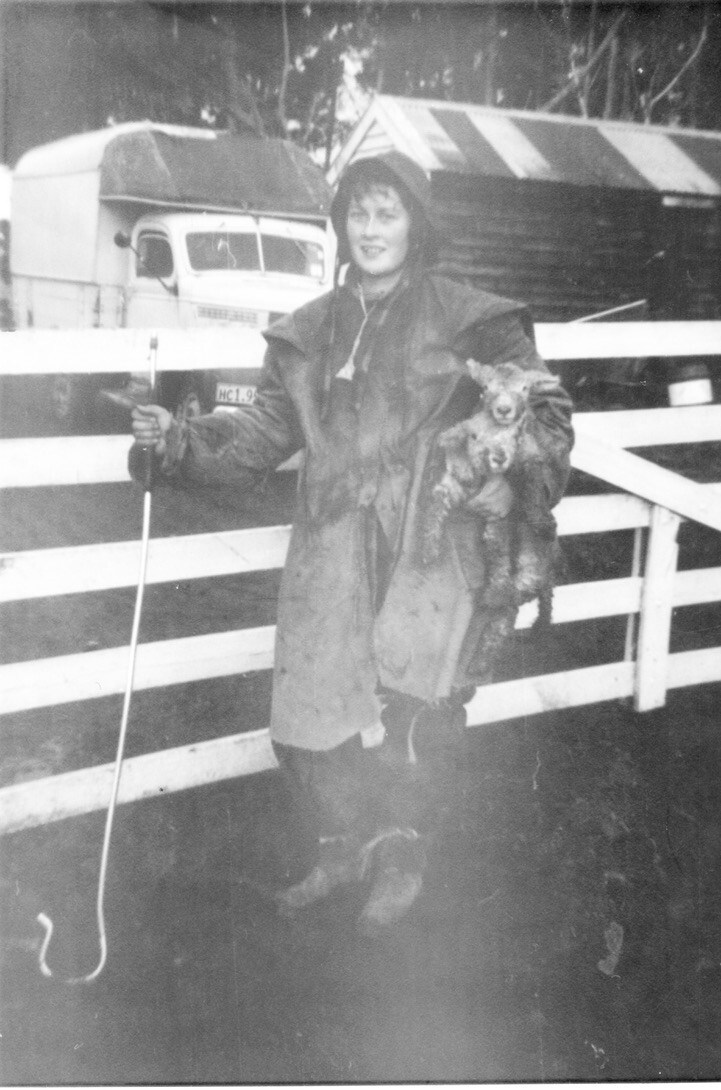
Mum: A registered nurse before 40 years farming – always a farmer at heart.

It was a powerful reminder that succession planning must account for the unexpected. Without a plan, we would have faced increased financial risk, a lengthy process, and family strain—right in the middle of personal grief. We had to navigate a funeral and the probate process which added complexity.

Thankfully, we had a foundation plan in place. Not perfect. But one that we could implement with minor amendments.

What I’ve personally learned:

  • Create a clear pathway. One that gradually leads to an agreed and aligned plan—don’t leave it to chance.
  • Start early. Succession is a process, not an event. It takes far longer than you might think.
  • Expect the unexpected. Illness, death, or external pressure can shift everything and quite suddenly.
  • Know the role. For several years prior to her death I had the financial power of attorney for Mum and the responsibility and governance that brings. It added unexpected complexity and conflicts that were hard to balance. The requirement to do the right thing on Mums behalf (business and care) whilst balancing the interests of my brother & my self as we explored the options for farm transition.
  • Fair ≠ equal. Seek outcomes that are pragmatic, fair and respected, not just based on accounting numbers. It comes back to being clear what each party wants and managing expectations.
  • Anchor to shared intent. Our north star was Mum’s wish to keep the farm in the family. We were able to return to this when it got hard and it brought us back on track.
  • Use trusted external advisers. They really help you to work through the conflicts that arise. They bring logic, neutrality, experience and structure to difficult conversations. Pay for the best advice and use it.
  • Learn from others who’ve done it well. Hearing the experience of others shortens the journey and protects relationships. Every situation is very different but there are many common issues – consider this lived experience and adapt it and apply it.
  • Stay connected as a family. Through birthdays, shared meals, and simple check-ins—relationships need their own care. So many families lose their way and relationships never recover.
  • Stay invested. I chose to leave funds in the farm to support my brother and his family’s success. That decision honoured our mother’s intent and legacy—and my own values. I will always love the farm, the land and my family and as such will always be supportive and want it to remain a family jewel.

Succession is the ultimate long game. It’s not about control—it’s about stewardship. Not about what’s fair today—but what’s sustainable and sets up future generations.

If you’re on this path: take your time, talk openly, and build a plan before you need one.

You will need courage and guidance to navigate many options and decisions.

I say trust the process. Inaction is not an option because we all have to face it.

Because when succession is done well, it strengthens more than a business. It strengthens a family. If done poorly it can destroy the bonds of any family and sadly, after a lifetime of success and achievement a lasting legacy will be about how you exit and the way the remaining family feels.
Article content

If you’re navigating succession in a family business, I’m always happy to connect, share, or listen. #SuccessionPlanning #FamilyBusiness #Leadership #Governance #Legacy #Agribusiness

Farm & Family Business Succession: A Personal Reflection

Succession in a family business isn’t a transaction. It’s a test of leadership, patience, and values.

For our family, it was a journey that took more than a decade—from the first conversations with Mum in 2012 to final settlement in May 2025, just months after she passed.

Article content
Mum with one of her Angus Bulls.

It began with a shared intent: keep the family farm in the family. But living that intent took time, courage, and compromise.

My brother had returned home post-earthquake and was working alongside Mum. I knew I didn’t want to farm it full time—but I did want a clear plan that honoured our family’s legacy and I did want to retain a connection with the land.

We engaged advisors. Ran workshops. Explored different options. At times, the conversations broke down. Progress was slow. Emotions & frustrations at times ran high.

Eventually, we explored a buyout option, and after 8 months of negotiation, we agreed: he would retain the farm, stock, and plant; I would retain a small bush block; and we would settle with a cash component.

Then, just weeks later, and before we could action a formal contractual agreement, Mum passed away quite suddenly.

Article content
Mum: A registered nurse before 40 years farming – always a farmer at heart.

It was a powerful reminder that succession planning must account for the unexpected. Without a plan, we would have faced increased financial risk, a lengthy process, and family strain—right in the middle of personal grief. We had to navigate a funeral and the probate process which added complexity.

Thankfully, we had a foundation plan in place. Not perfect. But one that we could implement with minor amendments.

What I’ve personally learned:

  • Create a clear pathway. One that gradually leads to an agreed and aligned plan—don’t leave it to chance.
  • Start early. Succession is a process, not an event. It takes far longer than you might think.
  • Expect the unexpected. Illness, death, or external pressure can shift everything and quite suddenly.
  • Know the role. For several years prior to her death I had the financial power of attorney for Mum and the responsibility and governance that brings. It added unexpected complexity and conflicts that were hard to balance. The requirement to do the right thing on Mums behalf (business and care) whilst balancing the interests of my brother & my self as we explored the options for farm transition.
  • Fair ≠ equal. Seek outcomes that are pragmatic, fair and respected, not just based on accounting numbers. It comes back to being clear what each party wants and managing expectations.
  • Anchor to shared intent. Our north star was Mum’s wish to keep the farm in the family. We were able to return to this when it got hard and it brought us back on track.
  • Use trusted external advisers. They really help you to work through the conflicts that arise. They bring logic, neutrality, experience and structure to difficult conversations. Pay for the best advice and use it.
  • Learn from others who’ve done it well. Hearing the experience of others shortens the journey and protects relationships. Every situation is very different but there are many common issues – consider this lived experience and adapt it and apply it.
  • Stay connected as a family. Through birthdays, shared meals, and simple check-ins—relationships need their own care. So many families lose their way and relationships never recover.
  • Stay invested. I chose to leave funds in the farm to support my brother and his family’s success. That decision honoured our mother’s intent and legacy—and my own values. I will always love the farm, the land and my family and as such will always be supportive and want it to remain a family jewel.

Succession is the ultimate long game. It’s not about control—it’s about stewardship. Not about what’s fair today—but what’s sustainable and sets up future generations.

If you’re on this path: take your time, talk openly, and build a plan before you need one.

You will need courage and guidance to navigate many options and decisions.

I say trust the process. Inaction is not an option because we all have to face it.

Because when succession is done well, it strengthens more than a business. It strengthens a family. If done poorly it can destroy the bonds of any family and sadly, after a lifetime of success and achievement a lasting legacy will be about how you exit and the way the remaining family feels.

Article content

If you’re navigating succession in a family business, I’m always happy to connect, share, or listen. #SuccessionPlanning #FamilyBusiness #Leadership #Governance #Legacy #Agribusiness

Leader & Business Succession = The Big Opportunity

So often the topic of succession is ignored or seen as negative. The reality is that it offers a big opportunity to ensure business continuity, a legacy to be realised or an investment to be realised. A culture that invests in leadership assists greatly in ensuring that a business will thrive beyond its current leader (be that a founder, owner or professional CEO).

In this video John Spence and I discuss the topic and some of the challenges and opportunities.

https://www.youtube.com/watch?v=xKwPebUgeIk

Succession: The big Leadership Opportunity

IMG_4437One of the biggest challenges many businesses face is that of succession. Too often it is seen as something negative, stressful or is an unspoken topic. Certainly it is one that can be full of emotion especially in family businesses or it can appear to be simply a problem too big to tackle.

It is considered the realm of Lawyers and Accountants and many seek to engage these professionals to “solve” the problem for them. Without a doubt they need to provide good advice but succession is a leadership issue rather than a technical problem. It is one that requires courage, planning, transparent communication, good ongoing advice from a number of specialists and clear decisions. It is a journey, not an event.

Succession is not just about an ageing business founder/owner. The professional CEO needs to develop other leaders in their team to be able to take over the their role when the time is right & any organisation needs to have some contenders who can take on the top role (whether they do or not will depend upon the needs) and this requires a culture of investing in leaders at every level to step up.

Each week we speak to & work with business leaders who are looking to get out of their business. I have personally supported many who have started and successfully completed the journey.

Ten recommended considerations;

  1. Face into the opportunity. Ignoring succession will not make it go away. A compressed timeline or sudden change due to death or illness significantly reduces the chance of long term success.
  2. Select those who will succeed you carefully. Make sure they fit, buy into the vision, care about the mission and people and build trust. Succession is all about people, decisions and change. Lead well.
  3. Plan for success. Have a plan with key milestones and understand the process and journey. Get all the people involved who need to be and get the issue on the table. Build a plan that will iterate and evolve.
  4. Understand that succession is part of the evolution of any organisation, business and family. Change is constant and people don’t deal with change well. Embrace the journey and don’t treat it like it is “negative” or an “event”. It is a fantastic opportunity to evolve your business and to ensure it thrives (not just survives) in the future.
  5. Get good advice. Have external help in getting the plan and issues on the table. Seek good legal and accountancy advice throughout the journey but don’t leave the “people” plan to a tax specialist or legal advisor. This is about people and change rather than just a structure or contract.
  6. Succession is all about the future so a good vision and strategy will be needed and good leaders who can execute change. Succession is about leadership so include it in all your leader development programs. If you don’t have a leader development program get one in place. Little bits regularly can really make a big impact on the future vitality of an organisation.
  7. Make good clear decisions at every stage and map out the decision points & timeline. Document and communicate things & keep things on track.
  8. Implement and invest in key structures that enhance success. Independent Governance (or a Advisory Board as an initial step), bringing the business under management, coaching and leadership development for key current and future leaders, good independent advisors, implementing legal and financial structures and processes based on future plans are all critical as a business moves into a space whereby the business is not reliant on the founder or owner. Many of these take considerable time to implement and re a real culture shift for the business.
  9. Network with those who have done it. Find those who have made the transition and ask questions. Hear what went well and more importantly learn form the mistakes they made as you look to apply things to your own situation.
  10. Enjoy the journey. For those who successfully navigate change and ensure that their business will ensure into the future providing for the next generation the rewards are great. If a trade sale is involved the satisfaction of seeing the business moving to a new level is exciting whilst at the same time providing a new found freedom.

Just start.