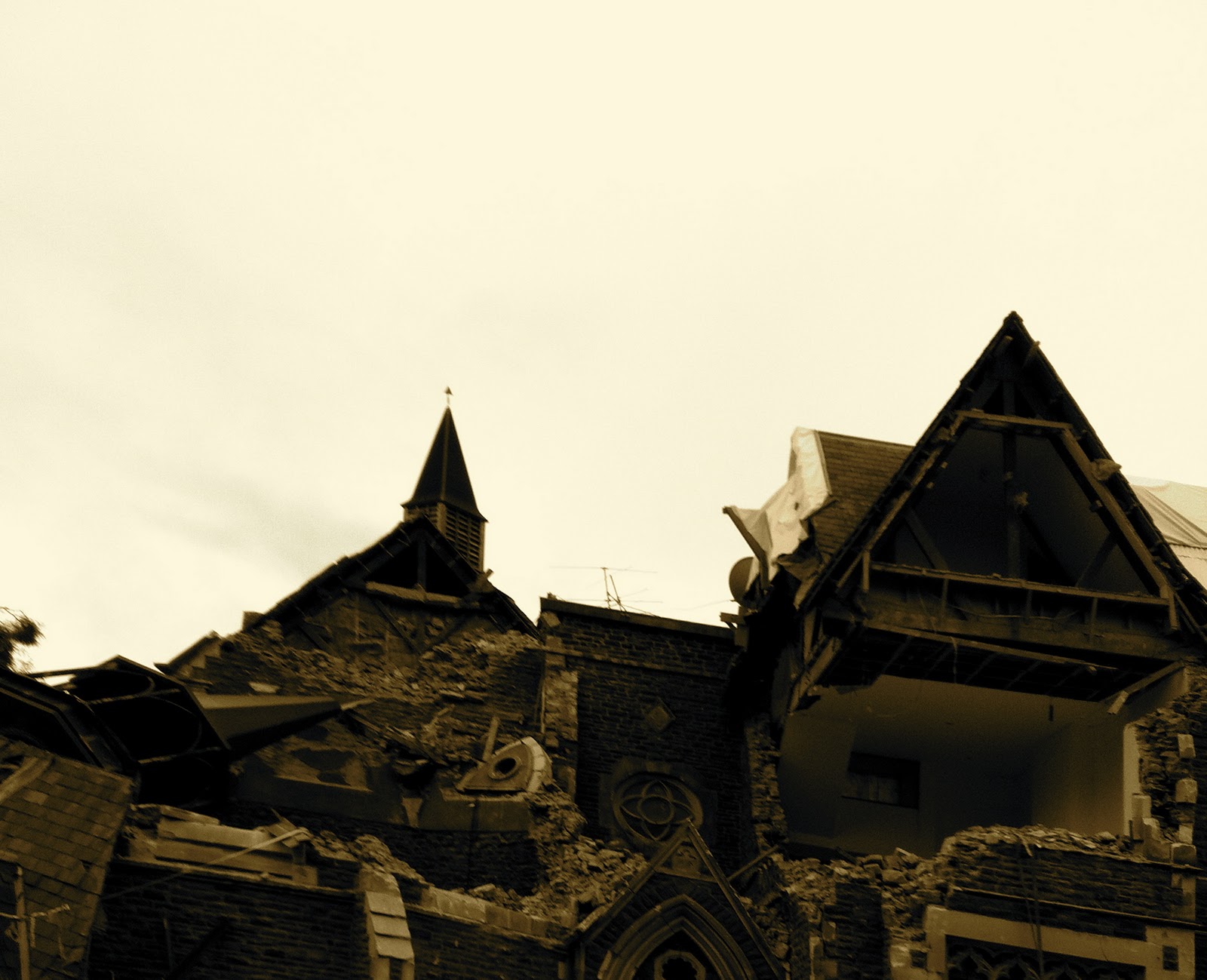
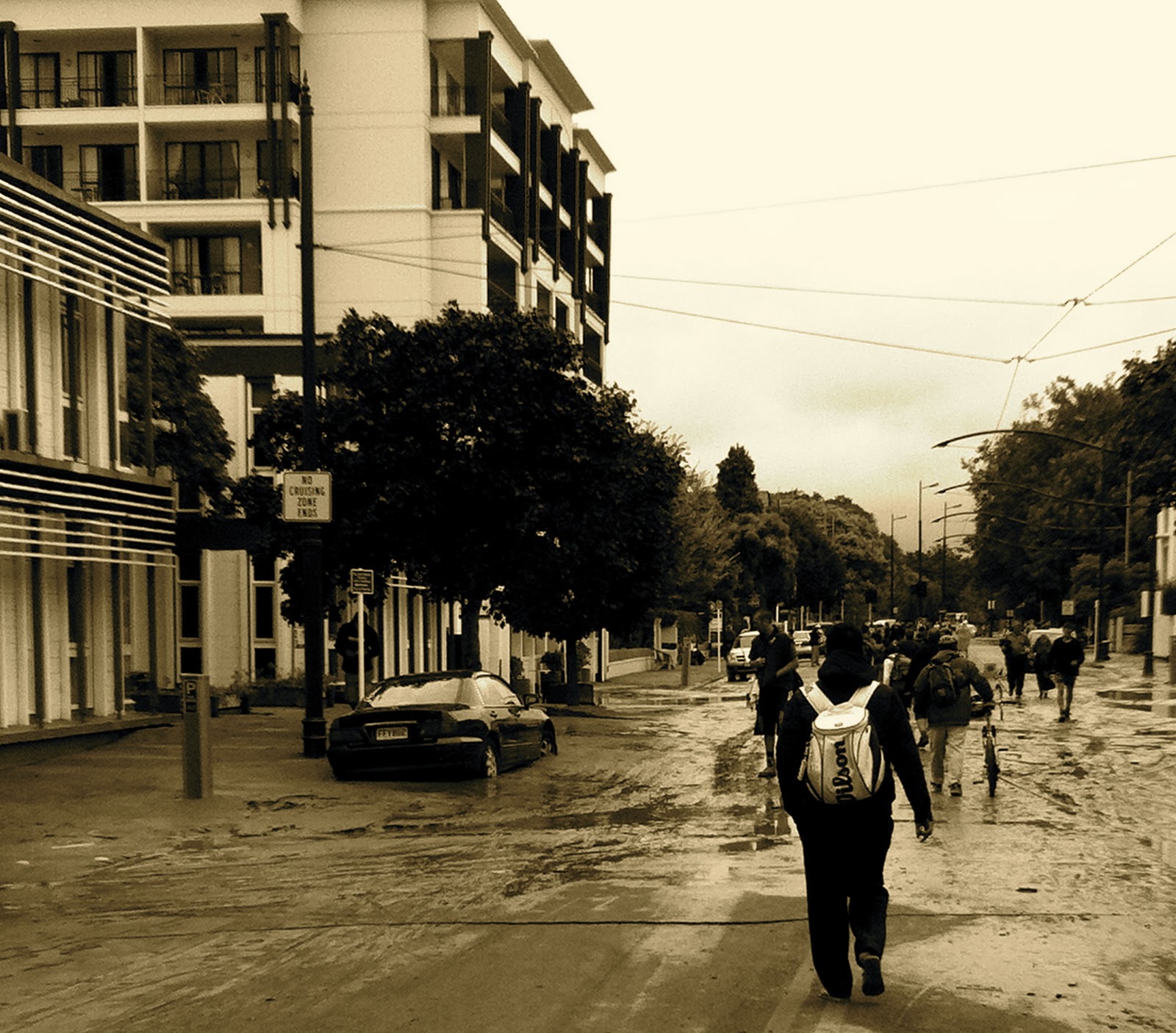
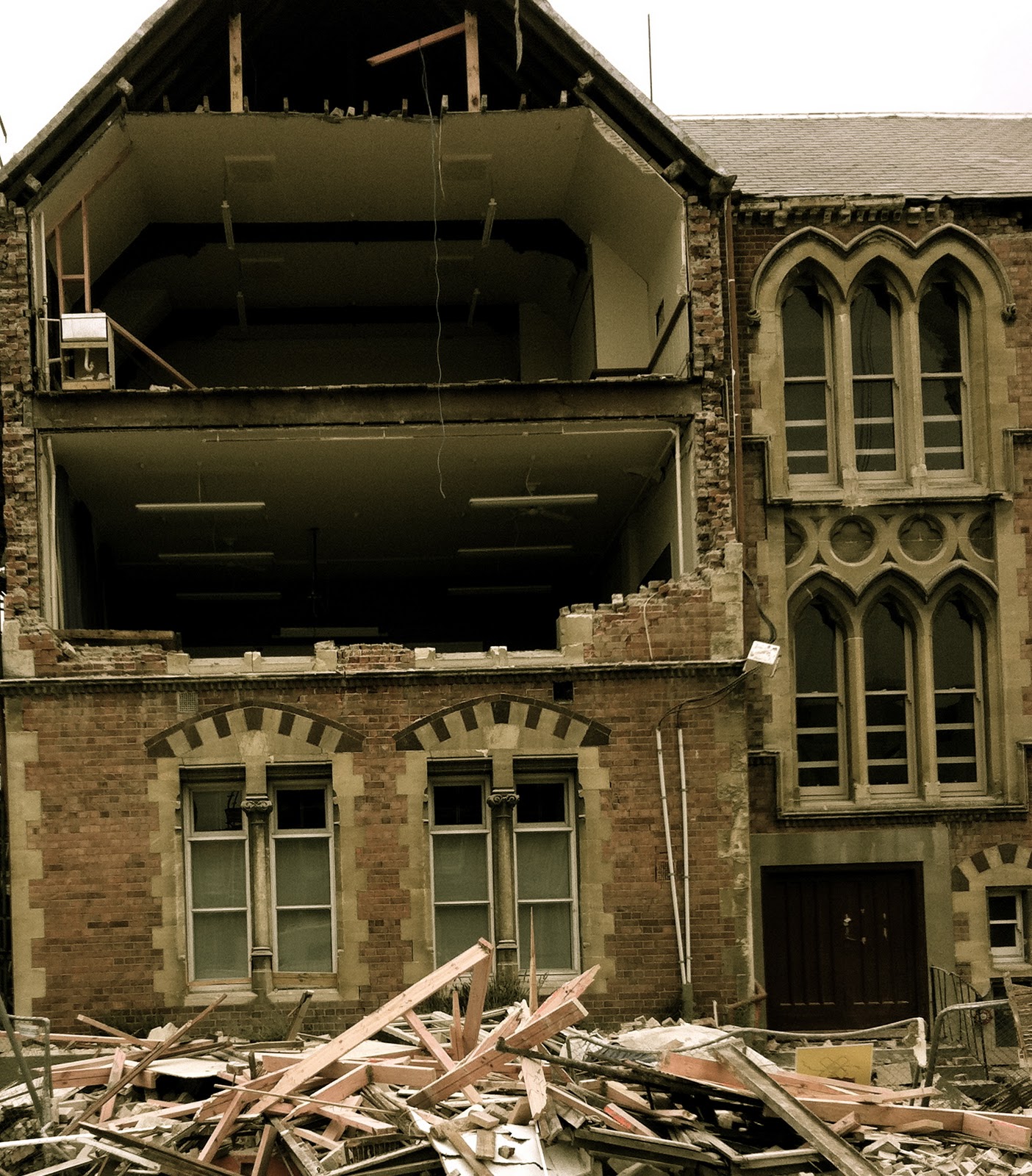
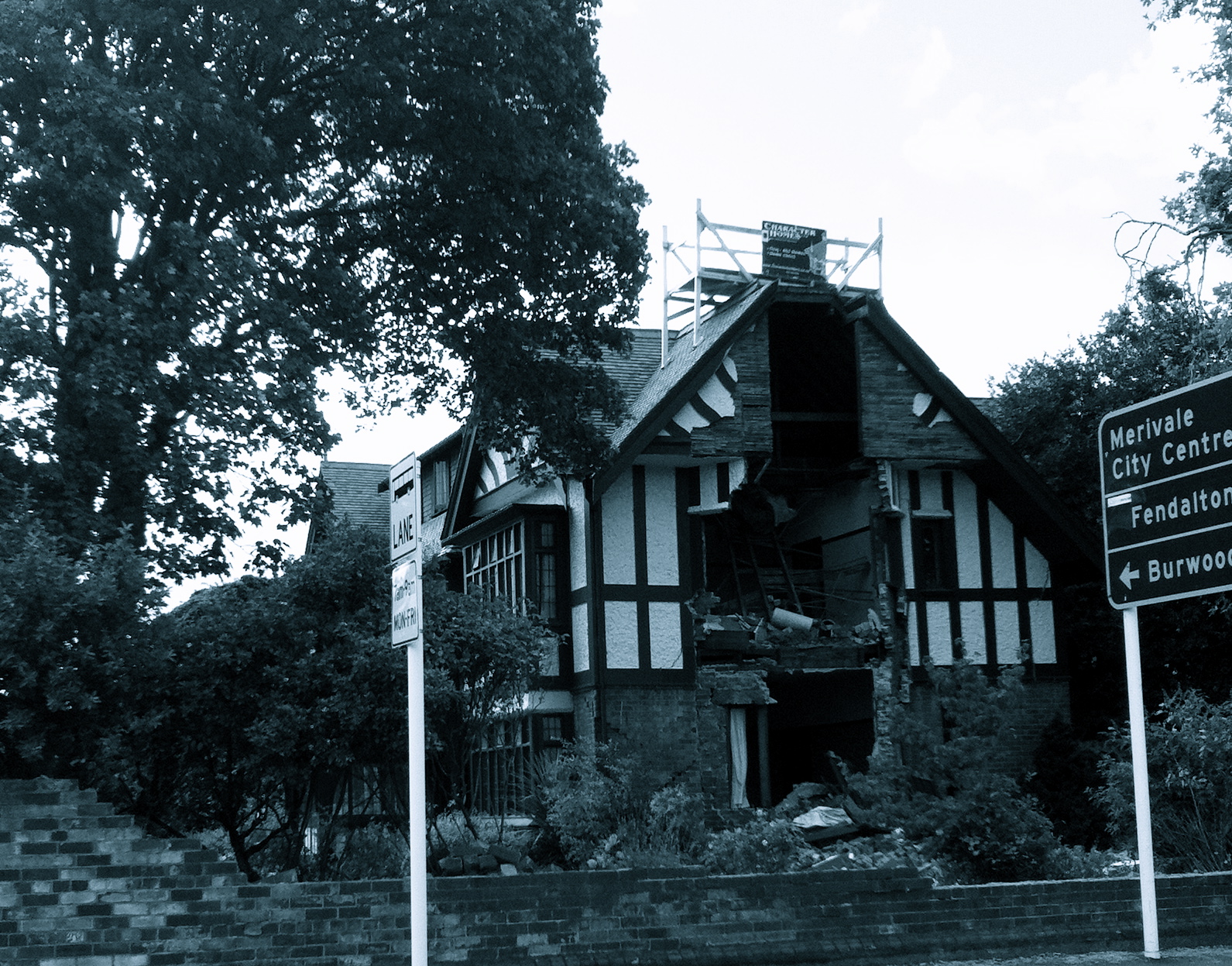
The Blast Personal Gallery: Downtown the day of the Christchurch Quake

On the day of the quake we were surprised by a big aftershock which knocked everything off my desk. After getting out of our building, which thankfully sustained minimal damage, I was relieved to hear my family were safe. Later I was to find just how lucky my father had been to survive rock falls that destroyed my brothers home.

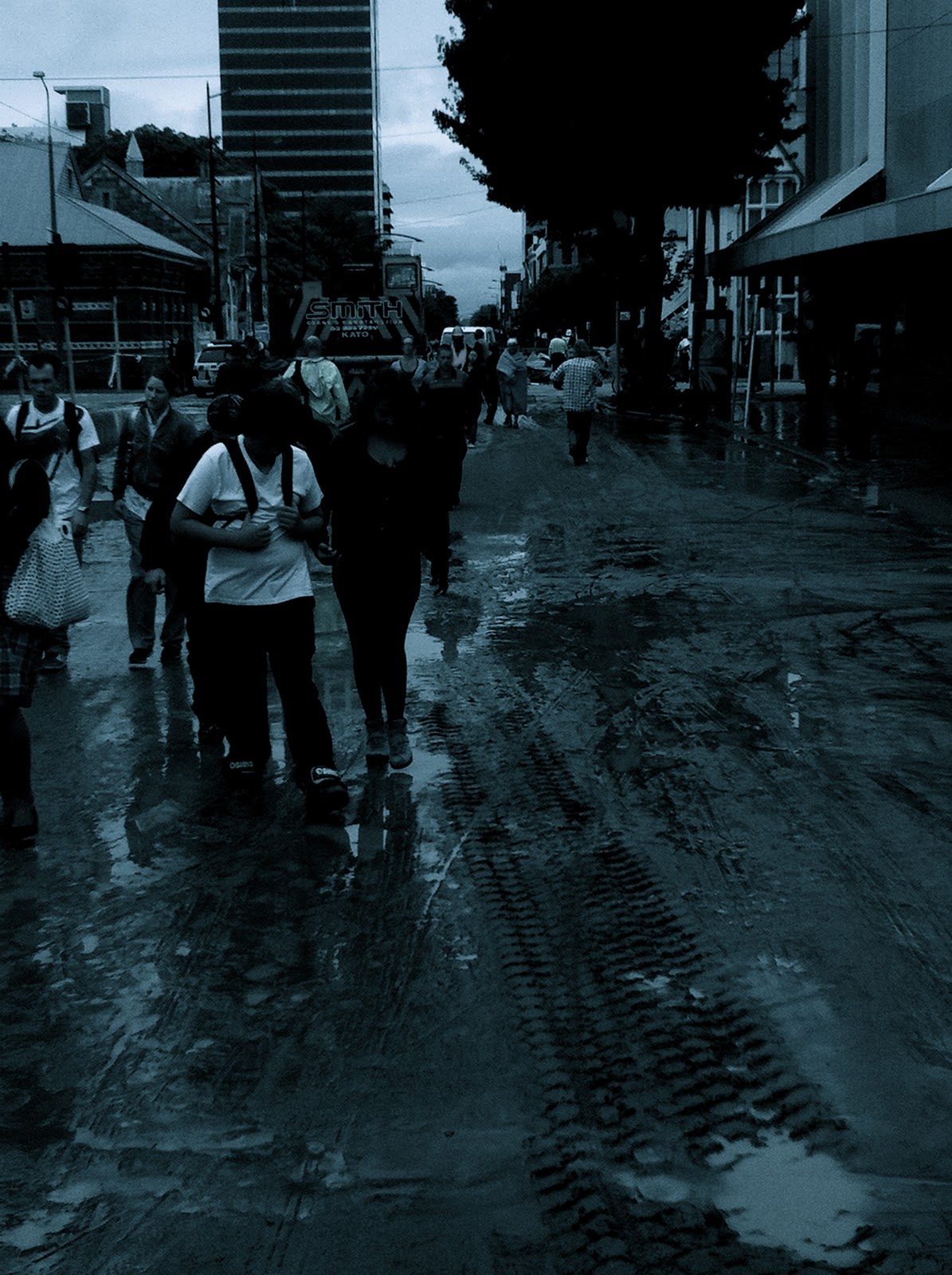
I was called by the NZ Army and asked to get into the Civil Defence HQ in Kilmore St and commence response planning until Regular staff could get into the city. The photos below are some of the images that I captured as I walked into down town Christchurch at a time when most were trying desperately to get out. It was obvious many were killed and our city was in a crisis. It was also a time to walk in the middle of the road through building rubble and to assist the distraught.

There are also some more general photos from around our broken city that I have chosen to share. Some things that I came across;

  • Walking with an upset woman who had been getting her hair cut and watched several buses get crushed. She was walking home to Oxford……about 50km just to get out of town.
  • Having to get past downed buildings,
  • Coming across people crowded silently around a car listening to the radio. Everyone in shock and disbelief as they heard the news and all complete strangers.
  • Silence in the city.
  • Having to assess whether the Copthorne Hotel was going to collapse on the civil defence bunker. I’m no engineer but it was leaning and 12 story buildings shouldn’t lean!
  • Walking through Camner Square as the injured were being gathered and attended to.
  • Hastily established cordons with Police and volunteers manning them.
  • Members of the public on traffic duty at major intersections keeping traffic going.
  • Mud and flooding everywhere.
  • Cars buried in mud.
  • Holes in the road.
  • Buildings full of water.
  • A real feeling of community…..people talking and helping each other everywhere.
  • The Mayor and his staff standing outside the art gallery after being evacuated due to an aftershock.
  • People crying and hugging one another.
  • A group of builders discussing whether to head home or stay with their building site that had collapsed. They were concerned it was a danger to traffic. Legends!
  • The initial briefings in the Civil Defence bunker and starting to get my head around what the emergency services were dealing with.
  • Seeing the first TV images of the PGC building and damage around the city.
  • Meeting my brother at his house on the way home and seeing it destroyed.
  • Ringing my father and telling him how glad I was he was still with us and unhurt.
  • The relief of getting home around 9pm to my family who had coped admirably.
  • Standing on the back lawn and looking towards the sky as aftershocks rolled through and being thankful that my family and I had survived something that could have randomly ended our lives.

I will remember this day and event for the rest of my life.

Stone buildings badly damaged and dangerous.
Armagh St looking West. People legging it!
Montreal St……gave this one the swerve as I walked past.
Sheer power. Tram lines.
Papanui Road…..a busted up home!
Needs more than a tarpaulin this one!
Inside the Civil Defence HQ. Controller Baden Ewart takes stock. 
Hmm…..Armagh St……going nowhere in this car!
Making temporary arrangements in the garden. A mate in Merivale.
My brothers house. A cliff falling, Dad in the house but unhurt. Bit close really!
Cramner Square. The injured and shocked.
Corner of Armagh and Durham St North. People getting out!
Looking North on Montreal. Police evactuating city. Normally traffic flows the other way. Note: Umm building lying in middle of the road. I had to run into the city along this street.
Jammed on Antigua St. Liquifaction and flooding outside office 15 minutes after the shake.
Looking East on Armagh St. Ground zero an hour after the big shake.
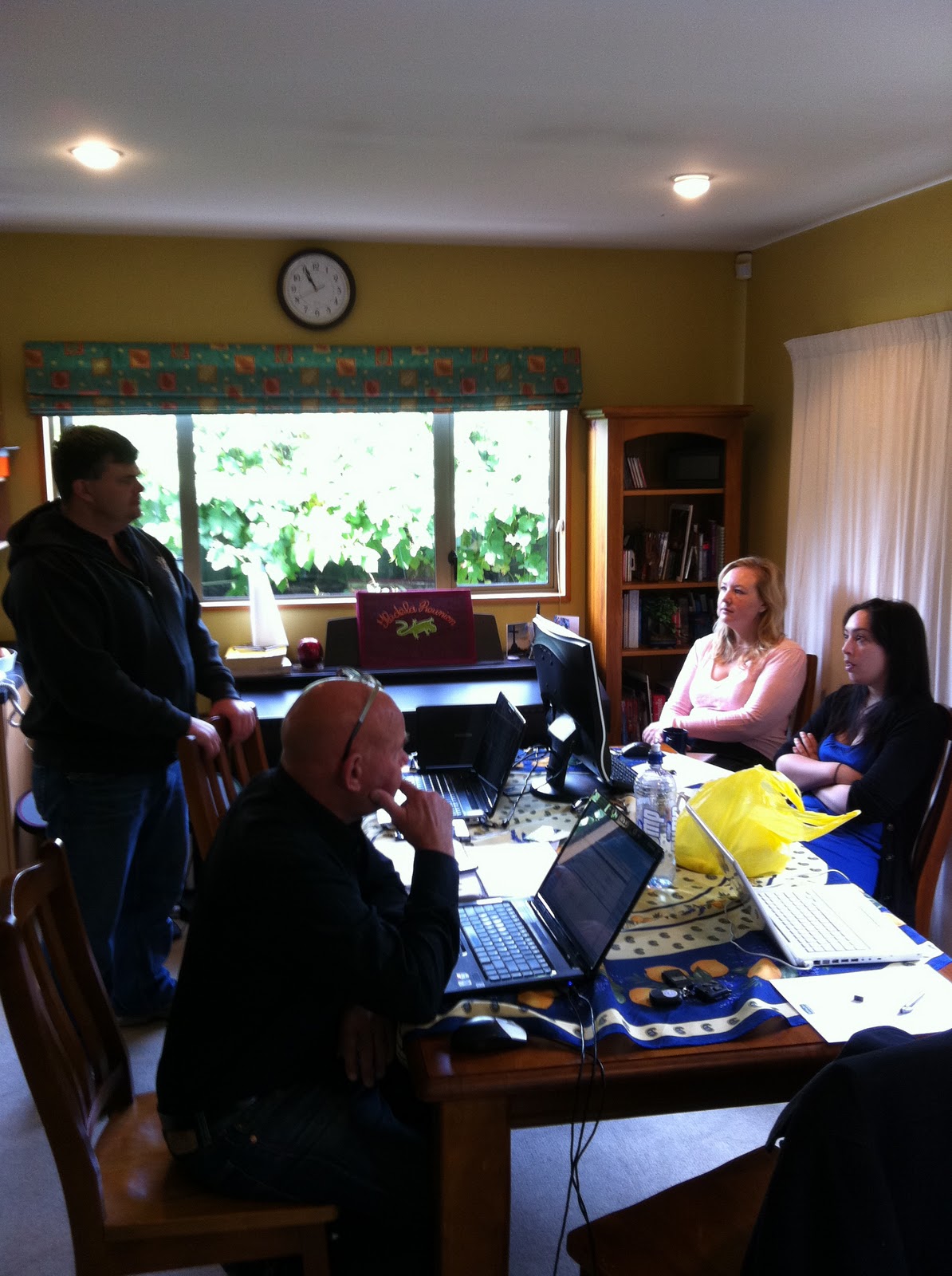
Working out…..A temporary office for RESULTS.com
Our Vege garden is destroyed: Redcliffs Supermarket will be rebuilt….in time!
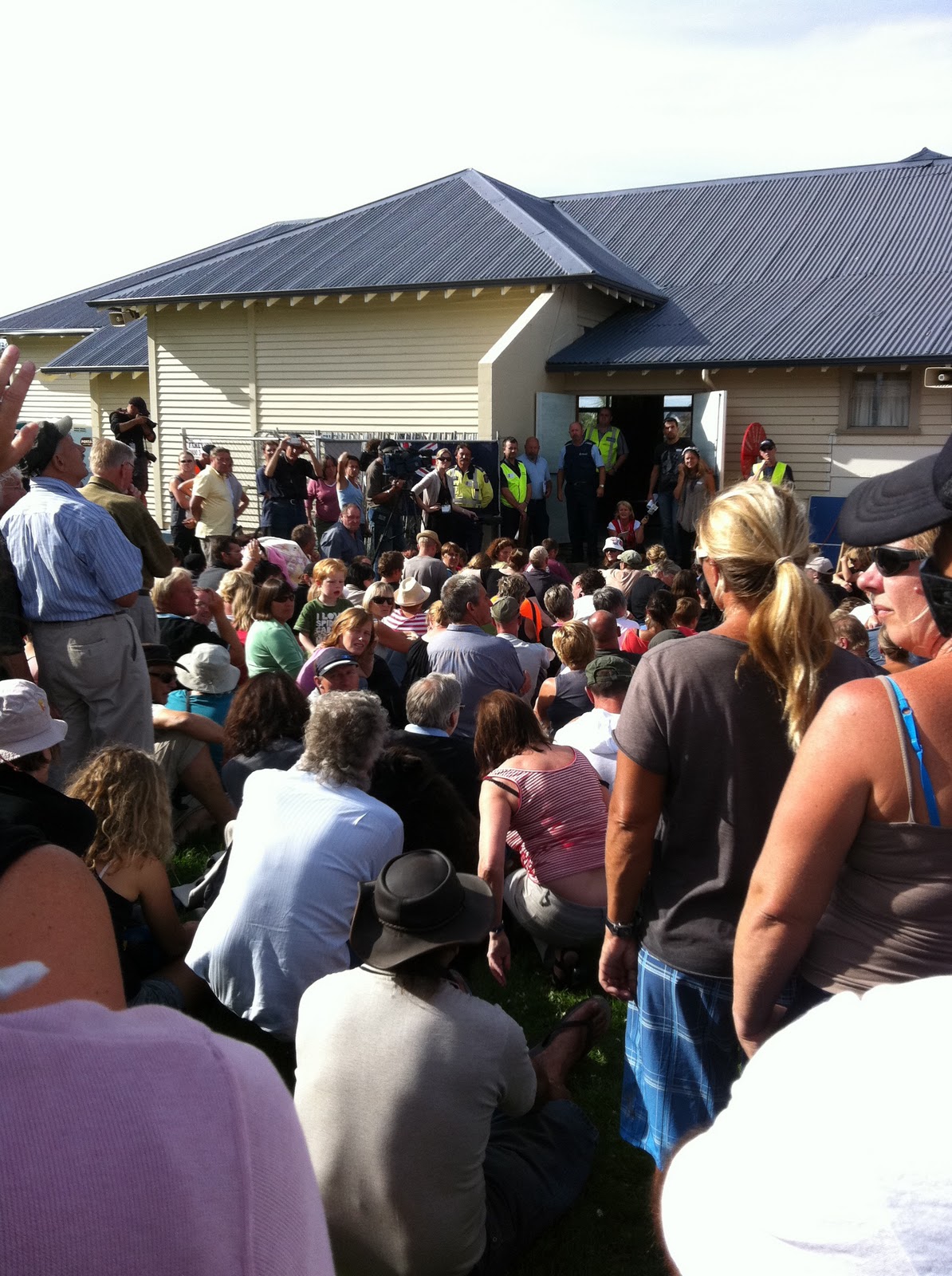
Sumner residents meeting with Police. Cliffs, rockfalls, evacuations, Loos, water, mutiny, information yada yada!
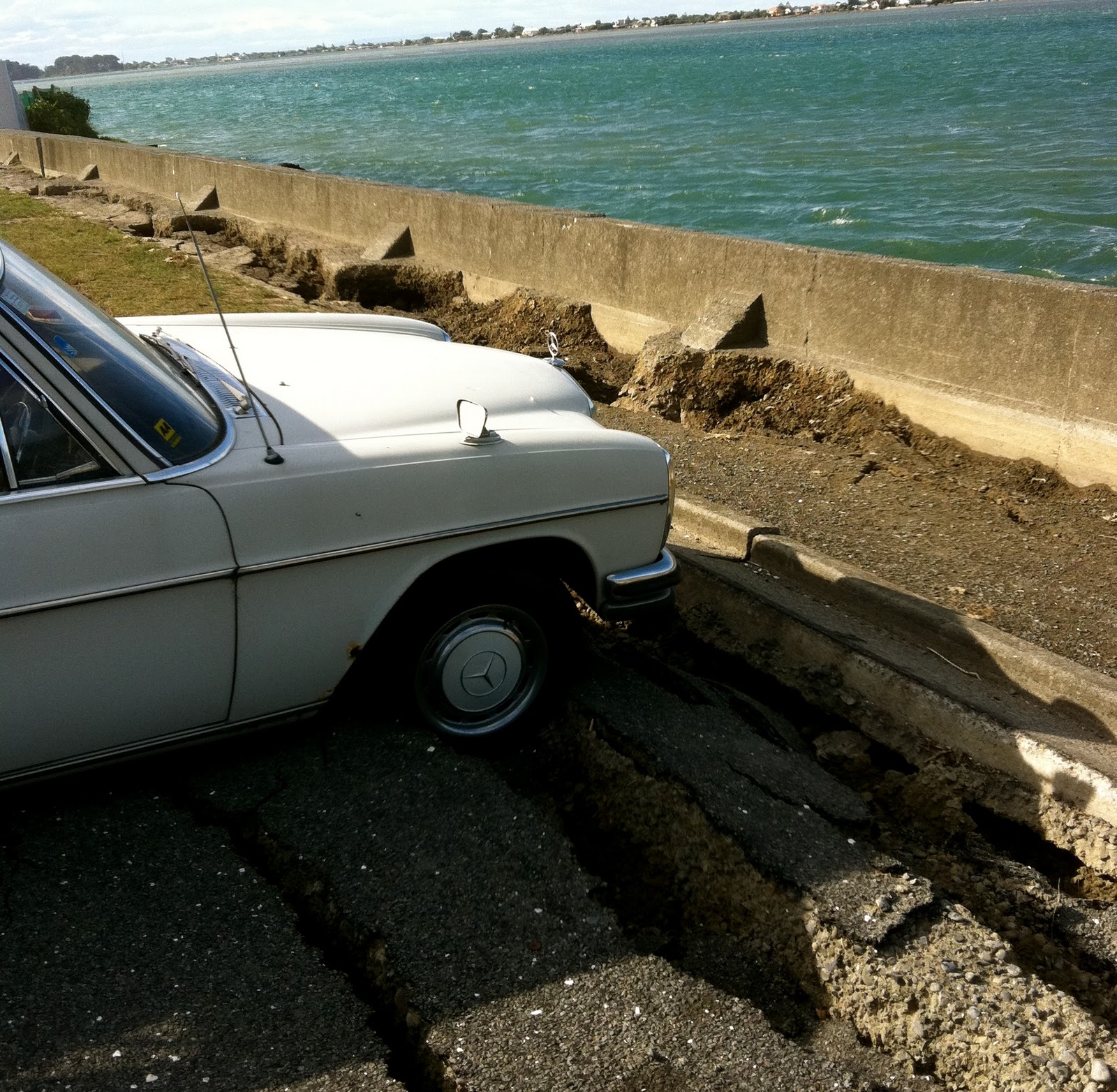
The Merc in the hole….Waterfront Redcliffs stuck in a rut!
The dust settles. View from the top. Day after the quake overlooking the city.
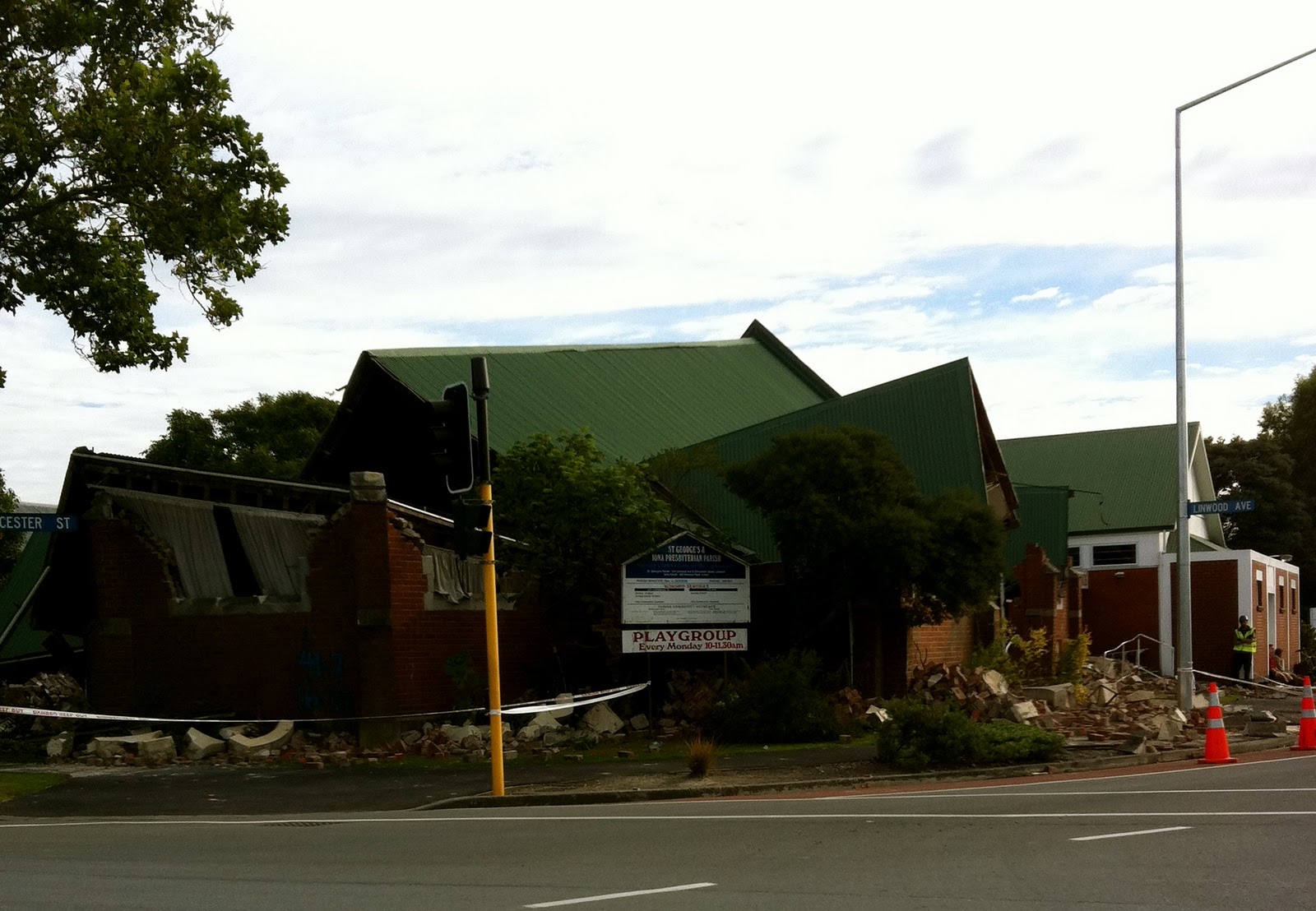
Pre school and church hall in Linwood Ave

"Futch" Couper: Southern Legend of the Month……from the "North"!

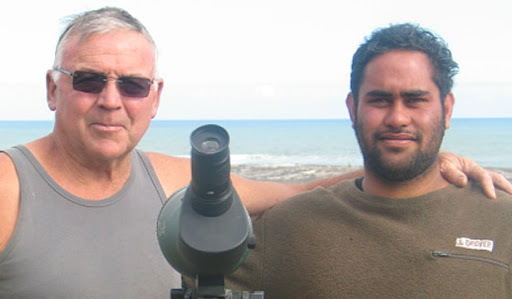
Futch Couper with Paul Williams. Photo: Marty Sharpe/Dom Post

New Zealand needs more blokes (and blokettes) who are prepared to put it on the line. Yesterday I heard a story of someone thinking fast and acting on their experience. “Futch” Couper is someone I know and admire, he is the father of a close friend and a bit of a legend in the Wairoa parts.
Futch lives in a fantastic house he built on the beach just out of Wairoa on the sunny East Coast of New Zealand. Known for his hunting prowess, ability to trade with those around him and an uncanny knack of virtually living off what he catches at sea, grows in his garden or shoots in the bush, Futch is fit and active and tough. He is one of those wiry old buggers who whilst unassuming and low key is just as likely to give you the shirt off his back or knock your block off depending upon how you cross his path. He grew up on the land, was a southern freezing worker, a builder and business owner. Overall he is the type of bloke you want on your side whatever you are doing and always has a yearn for every occasion.
This story in the Dominion Post (link here) about Futch saving a fisherman swept off his boat is absolute gold. Local man, Paul Williams was fishing when he fell overboard and spent considerable time in the water. As a non swimmer, Paul was smart enough to remember some good advice about conserving energy and floating on his back. Futch, seeing a commotion on the beach, used his telescope to spot the man in the water and then at a moments notice deployed in his dinghy and dragged him to safety just in time. 
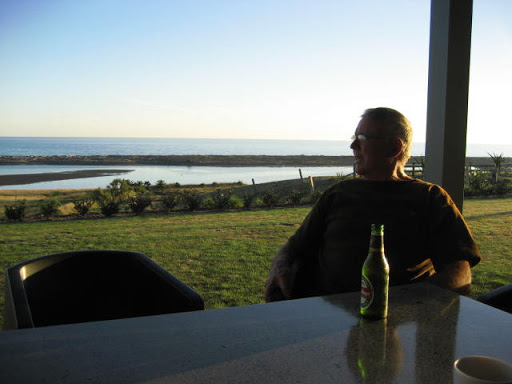
Futch at home. Quenching his thirst when we last met.

To cap off a heroic effort, it transpires that Paul Williams had given Futch a fish recently in an act of generosity that Wairoa is known for. Now Futch is the type of bloke who would have put to sea to save anyone so it would be just a bonus that he was able to repay a kind act with one of his own. 
Legendary stuff! Good work Futch. Good on you for doing your bit and not thinking twice about helping someone in need. No doubt this event will be relived a thousand times over the coming months as they blow the froth off a few beers in the Wairoa sun.
Of course Futch is also the type of bloke who, having pulled you out of the drink and got you safely ashore, will also give you a clout around the ears for being a clown…….but that is a story for another day!

Summer Holidays in the South and other Places!

A lead in to Summer holidays!
A very serious French game on the front lawn!
15 minutes from home. Looking towards Godley heads, Banks Peninsula, Canterbury
Boulder bay, Canterbury
Home. Sumner, Christchurch. Jan 11
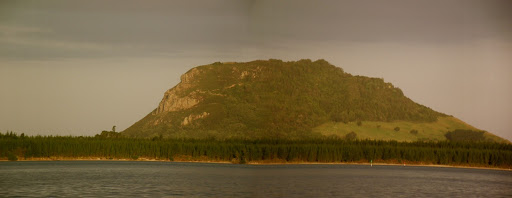
Life’s a beach!  Mt Manganui.
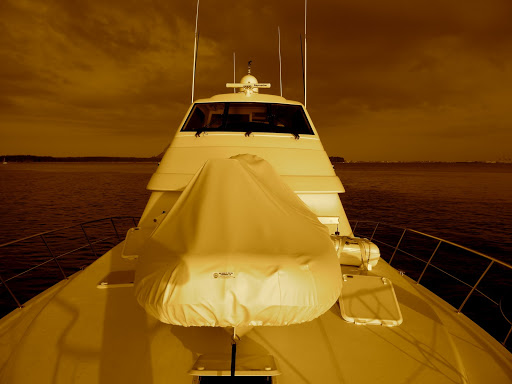
Dusk on the water. Mt Manganui Jan 11
Diving. Tauranga Harbour Jan 11
Twin rug rats on the run. Christmas day 10.
Fishing & Diving. Near Kaikoura Dec 10
Santa arrived in force. Family Christmas madness!

The Mount!
At sea. Tough life!

Standing Up For What is Right…..Never easy!

Always a bit intimidating to have a camera in your face!

Well it has been an interesting week! I wrote my blog last week about the “incident” I experienced after taking a couple of photographs of my wee girl playing netball. (Link here: Political Correctness: Good Guys Don’t Win). Well this was read and commented on all over the country and indeed in places like the USA, Afghanistan and the UK. As they say “it went viral!” Early in the week I was contacted by the Producer of “Campbell Live” about appearing on the show.

Feedback from my blog online and on Facebook  overwhelmingly was one of shock. Shock at our PC society which, on one hand bags fathers (at every opportunity) for not being involved enough in their kids lives, growth, sports and general upbringing, and then on the other hand makes them insecure about what they should or should not do.

Caetana bravely does her bit in front of the camera.

Astonishingly, the issue of parents taking photographs of their kids in public places and being verbally set upon or confronted is common place. Friends and readers relayed similar situations that have either occurred to them or that they have witnessed at sports and school events.

It is not easy thing to put yourself out there so publicly, but there is a time you stand up for what you believe is right. I felt strongly enough to write a blog about it so I reasoned I should be prepared to front the issue in person.

After all this incident had forced us as a family to have to explain the whole situation to Caetana. We’d had to help her understand why it was even an issue that Dad was “told off” by the Police for taking her picture at Netball. She was well aware of “stranger danger” (after Police school programs & Dad’s warnings about getting into strangers cars etc) but explaining the issue around men taking kids photos for the wrong reasons is somewhat more complex I can assure you. We had to decide whether we exposed her to the media as well. We took the decision that it would be a lesson for her in standing up for what you believe in and for me this was one the best lessons that my parents taught me about life. Albeit they went about it outside the media!

My Grandmother was a wee sweetheart, yet as tough as woodpecker lips! She was born in the windswept Shetland Islands (Scotland) and lived by the saying “Be strong and of good courage”.  It is on her headstone and it is something my mother resonates with and in turn I refer to during events in my life. My father always backs his kids in whatever situation “if it is the right thing to do.”

But I guess it is one thing talking and writing about it, it is another actually putting yourself out there for national scrutiny (link here for the Campbell Live Interview). What have I learnt from it all;

  • This is a common occurrence as the large amount of feedback shows,
  • It is a touchy and emotive subject. The right to be a parent and do parent things clashes with those who feel it is their right to protect their kids no matter what.
  • I think it is right to find out who is taking photos but a bit of common courtesy should be maintained and less confrontation and less absolute demands and threats of calling in the Police. How about a bit of common sense and less of the “all men have bad intentions”.
  • Most New Zealanders are seemingly unaware about the laws of photography. If you are in public you actually have no rights to privacy. That is how the media works. The test that courts have applied in the few cases coming before them uses the test “would this be deemed appropriate by a reasonable person”.
  • Overwhelmingly the response has been positive and supportive for making a stand for Dad’s and parents who are not doing anything wrong. 
  • The Police are the good guys. I’m glad they came, it defused what could have been a nasty situation, it reinforced to my daughter that they will help her if she needs them and they quickly summed up the situation and dealt with it a large helping of common sense.
Of course there are the detractors and those of opposing opinion and I accept there always will be but I’m glad I fronted up and said what needed to be said.
Now I can hopefully get back to being a Dad and teaching, growing and guiding a daughter that I am very proud of and one who will add positively to our community.
She was after all the player of the day……..and I missed most of the game!

A Visit to Crete: Some ANZAC Photos

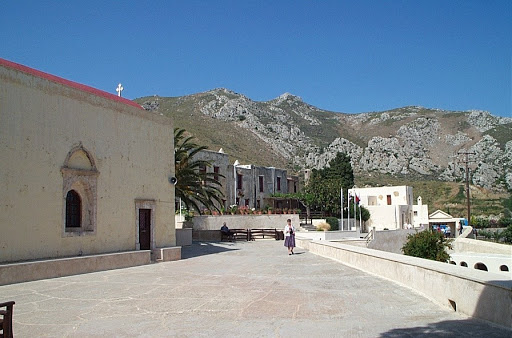
Monastery on Crete where many Kiwis sought shelter after being left behind on Crete.
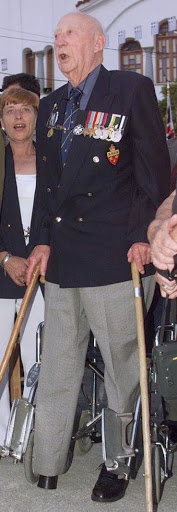
Captain George Brown of Nelson. A good friend of mine who died several years ago. When I visited Crete George was there for the first time since he was wounded, left behind and became a prisoner of war. He was shot in the knee by a sniper and had his leg amputated by a German military doctor. George was the Second in Command of the company which included Charles Upham. It was Charles Upham and a number of other soldiers that ripped a door off a house and carried George in to medical help when he was wounded. This picture was taken at the Galatas memorial for New Zealanders on Crete.

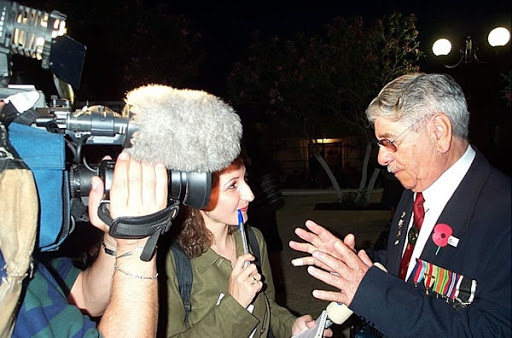
Rangi Sewell was 16 years old on Crete. A member of 28 Maori Battalion, he told some fine stories of his time as a runner. He spent a lot of time taking messages on foot between various units as the german parachute assault took place. He recalls the bayonet charge that the New Zealanders did and in which 28 Maori Battalion took part. I took this picture of Rangi talking to international media.

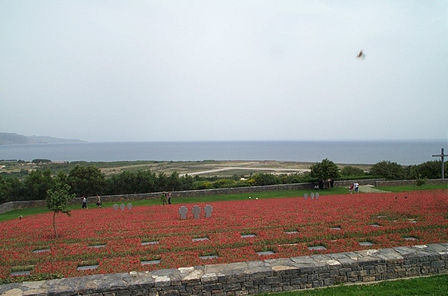
This picture was taken in the main German cemetery on Crete. Looking out to sea an over the Maleme airfield which was defended by the New Zealanders. This airfield was the focus of the German attack and was the scene of fierce fighting. The German cemetery is not allowed to have headstones standing and there are two men in each plot. The German’s are still not so welcome on Crete.

Two South Canterbury Crete Veterans. Both hard cases. Alan Hepburn ( Ashburton) and Bernie Dynes (Pleasant Point, who were in the official party to Crete, in front of the New Zealand memorial at Galatas on the evening of the official New Zealand commemorations, 18 May 2001. Alan was left behind on Crete and was on the run for 12 months. He wept when we visited the monastery and recalled the kindness shown to then and the risks taken by the priests during the German occupation. He was caught by an undercover German officer who asked for the time in English and before he could think he replied. A period of time as a prisoner of war followed.
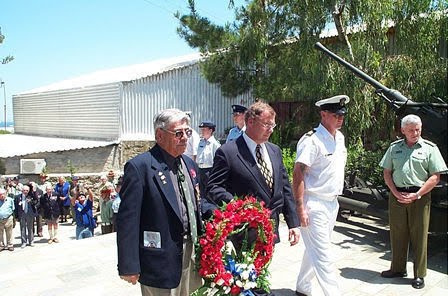
Wayne Mapp, MP (now Minister of Defence), and New Zealand Crete veteran, Sonny Sewell, lay a wreath at the Australian
   memorial at Stavramenos, 18 May 2001


A German veteran of the battle at the German war cemetery, Maleme. I took this photo of this paratrooper after trying to talk with him. He was a nasty bit of work and was not at all friendly.
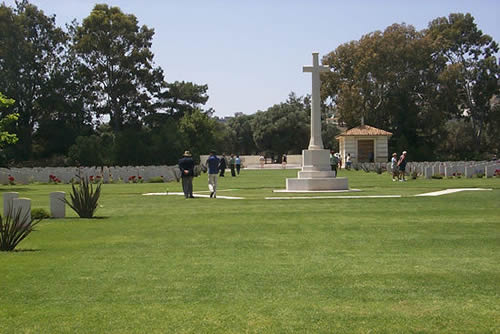
                                  Suda Bay War cemetery. A beautiful spot on the beach front.
Some further historical photos of the battle for Crete link here.
Read more of my stuff by linking here.

Bush Bashing & Finding the Canterbury Lads: Galipolli 2000

I have been to Galipolli twice. The first time I did not land but rather cruised up the Dardanelles on a ship. The next time I joined the small group of NZ soldiers serving in Bosnia with NATO. It was the 85th anniversary of the landings so there was a huge crowd expected. We visited the museum the day before ANZAC day and got our heads around the sheer presence of the place. The museum is packed full of shocking photos, artifacts, human bones and interesting things like bullets that had hit each other in mid air and melded together! It was a day of taking it all in. I visited ANZAC cove where the Kiwis came ashore and saw the first cemetery that had New Zealand men. Many so young, most under 20.

ANZAC cove was quite an emotional sort of a place. As a soldier it was a campaign I had studied and heard so much about. It was a defining moment in the history of our country, certainly of the NZ Army. I think the thing that affected me the most was understanding just how far away from home these men were and just how big the task was they were expected to do first up in a long war!

ANZAC day itself was heaving. The Australian and New Zealand Prime Ministers were present and so were a large NZ Army contingent do the formal ceremonial parades and memorial guards. The Bosnia Contingent left two vans in the huge line of traffic and we walked the last few km to the Dawn Service. The road was littered with bumper to bumper traffic and there were many thousands of Aussie and Kiwi backpackers. The sunrise over ANZAC cove and the service gave the place a mystical feel and the crowd was very silent. The bugler doing the Last Post chilled us all.

The rest of the day was spent walking up the cliffs and visiting the ceremonys and many different battle memorials. I enjoyed the main Australian service at “Lone Pine” and then the New Zealand ceremony at the “Chunk Bair” memorial. The New Zealand Defence Force Cultural Group performed the Haka and the Prime Minister spoke. Turkish soldiers had a very high profile presence as part of the security. This first photo was taken at the Chunuk Bair Memorial.

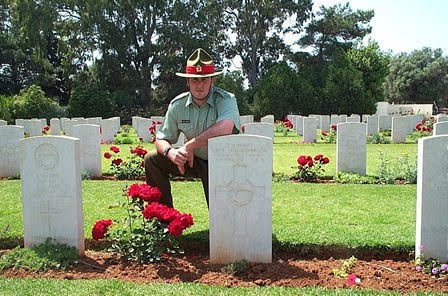
After the service and reading the role of those killed from many New Zealand Regiments, we decided that rather than take the long track back down the cliffs, the direct “bush bashing route down a large ridge line would be a better way to get to the vehicles. The Infantry Section that was with us led the push with the scouts up front finding the way through heavy scrub, blackberry type bush, rusted equipment and trenches. After  a long walk through a river bed finding small plots full of Indian and Canadian soldiers, we came across a small cemetery of 25-30 plots. Closer inspection found it was in the main full of men from the Canterbury Regiment at “Outpost 1”.  This second picture is taken in this quiet spot.

Researching it after I returned to NZ it seems these men were killed trying to outflank the enemy. Caught in the open by raking machine guns. Our drivers walked back for the vehicles while the remainder of us waited in the sun in that quiet spot for several hours. I spent the time reading each headstone and leaving poppies.  It felt good to be with these guys for a while because given their location so far from the main walkways it was obvious not many visited them.

Gallipoli for me was just somewhere I had to go in my life. It was a “bucket list thing” I now realise and the experience was amazing. Turkey is such a full on diverse place but the people are warm and friendly and whilst they without doubt enjoy the tourists dollars that the area brings, they genuinely seem to care. The plots and sites are well tended and looked after and their attitude is quite refreshing. Then there is the carpet trade they rob you blind on, but that is another story!

As ANZAC day rolls around I always reflect on those guys who stepped up, got stuck in and now lie so far from home. That is why we remember them.

Like this article? Other ANZAC Tributes and Topics

ANZAC: Johnny McNutt- A Good Southern Man: RIP Published 21 Apr 10

The “Ted d’Augvergne Bottle in the Hotel” story. A tale of intrigue from Waimate, NZ. Published 19 Apr 10

Who the Hell is Private David Nelson Wright? A local man killed in Vietnam. Published 5 Feb 10


ANZAC: Johnny McNutt- A good Southern Bloke: RIP

(Acting) Major John McNutt (Link to initial article) was killed in Kuwait on the 12th of March 2001. It doesn’t seem like nine years ago to me, but no doubt his family will attest to the passing of time.

John was  a friend of mine. It shocked us all that he was killed on a training exercise by an American bomb. Could have happened to anyone in a simialr training activity! Whilst it was pretty random, I guess you have to remember that calling in close air support from a fast jet is tricky and risky. Yet this was an essential skill for someone in Johns role to know.

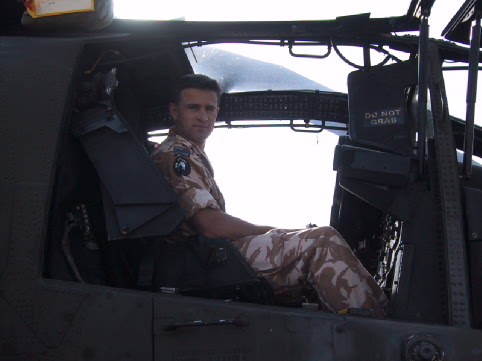
John was a good southern man. He had West Coast blood in his veins and was academically gifted. He had attended St Andrews College and was a graduate of the Australian Defence Force Academy and the Royal Military College (Duntroon)  where New Zealand sends a handful of trainees each year. He was very fit, a mad man on the rugby paddock and well liked. He had been with the New Zealand Special Air Service (NZSAS) for a short period of time only before his posting to Kuwait. This picture shows him sitting in the cockpit of an American Apache helicopter shortly before his death, a man always eager to learn and explore!.

I got to know his family well in the days after his death as I worked to help manage the media interest in the story as the NZ Army got him home to his family. His funeral was huge and it reflected his life. Packed with family, fitness, lots of sport, friends, hunting, the outdoors and a pursuit of adventure. His father Goodwin was a pioneer of the early helicopter deer catching days in Westland (a daredevil in his time) and his mother Mary was lovely, so strong and full of love for her son. Both were amazing in their ability to accept and forgive the cause of the accident.

As ANZAC day looms, I always remember those who made the ultimate sacrifice in service of their country. In Johnny’s case it was a friendly bomb and a bad mistake, but he died on active duty and training so as to excel in his chosen profession of arms.

John McNutt is and will remain well remembered.

Other ANZAC Tributes and Yarns;

The Ted d’Augvergne “Bottle in the Hotel” story.

Who the Hell is Private David Nelson Wright?

ANZAC: The Ted d’Auvergne (Bottle of Beer) Story

Private Ted d’Auvergne was a farm lad from my home town of Waimate. Well to be exact he came from a little settlement just through the Waimate Gorge called Waihao Forks. I have known of his story since I was a very young and I was lucky enough to find myself in Crete, Greece for the 60th anniversary of the German airborne invasion.

During this time the New Zealand Division fought hard to repel the attack from a huge airborne German force which dropped from the sky but along with other allied troops were forced to withdraw from the Island.

You can read the finer details of Ted’s story here (link). In summary;

  • Before catching the train to war Ted stopped in for a beer at the Waihao Forks Hotel (as you do!).
  • He left one bottle behind the bar with the publican with the intention of drinking it on his way home (from the war).
  • He was killed in action during the fighting on Crete and was buried there.
  • The bottle has been handed on as the pub has changed hands and is now in a small protected case which sits in the corner of the bar.
  • Each ANZAC day a small local service takes place and a poppie is put into the case.
Having attended one of these services at the Hotel and given the local connection I was determined to find his resting place in the huge Suda Bay cemetary. It took a while to find and to be honest it was quite a moving moment to stand there with him and read his headstone. He lies amongst other young New Zealanders, a very long way from home  and I had someone snap this picture of his headstone.
Thanks for doing your bit Ted. Sorry you didn’t make it home to drink that bottle of beer.
Lest we forget.

Who is Private David Nelson Wright (Part 3 in the series "Down Home")

Not far from where my grandparents lie in the lovely setting of St Mary’s at Esk Valley, South Canterbury is the resting place of a young Infantryman who died of wounds in Vietnam. His name is Private David Nelson Wright.  I guess what is interesting about this is that unlike the many names listed just down the road on the Esk Valley War Memorial (he is not on it), David is actually buried among the community from which he came as opposed to overseas where he died as was the norm many years ago. I have always looked in on his headstone and given it a brush down if needed and wonder what his story was. As an ex Infantryman there is always the  realisation now that being killed could have happened to any of us who served. I thought it was time to have a few questions about him answered. Who he was and how did he come to be buried at Esk Valley.


He died of wounds sustained in South Vietnam in 1970 (the year after I was born) at the age of 23, he was part of the 1st Battalion, Royal New Zealand Infantry Regiment and his father (who lies next to him) was the Minister of the Parish of which St Mary’s is part. That I knew from his headstone. When I have asked locals about him there was no further information known other than these details. So here is a summary of what I discovered about David Wright;

  • A photo.
  • He attended Christs College, Christchurch and was an accomplished sportsman.
  • He was very fit and healthy.
  • Like all who New Zealand soldiers who served in South Vietnam, he was a professional soldier and a volunteer.
  • He was one of 37 New Zealanders to lose their life during or as a result of direct combat action in the conflict. ( A further 187 were wounded in action)
  • As part of Whiskey 3 Company he arrived in South Vietnam in November 1969 for a 12 month tour of duty.
  • The company was commanded by then Major Evan Torrance (who selected me for Officer Training).
  • His Platoon Commander was then Lieutenant Bob Upton (Who was my first Commander upon graduation).
  • He was well thought of amongst his peers and the company. I made contact with his Company Sergeant Major by e-mail and he spoke highly of David. He had never stood out for his sheer brilliance or for poor performance and had not featured in any major disciplinary breaches which from the point of view of a CSM meant he was a hard grafter who did his job and got on with it.
  • He had a wicked sense of humour and innocent look about him.
  • He was a “cover scout” in a rifle section which meant he was always at point and covering the lead man or ” lead scout”. This was a dangerous role that was effectively the eyes and ears of the section silently moving through the jungle. It is a role generally held by the most alert and talented soldiers who keep an eye out for mines, booby traps, hidden enemy and potential risks. Given that jungle combat is so fast and at close quarters it is not for the feint hearted.
  • He never once failed his lead scout.
  • He was badly wounded in a contact/gun battle with north vietnamese insurgents (Viet Cong or VC) on 30 January 1970. He was the most severely wounded (entry and exit wounds to his pelvis and upper torso) although others in his team sustained serious wounds also. You can read the full story written by those involved in this battle at this link.
  • He was attended to by his mates and stabilised before being flown out of the jungle by a CASEVAC helicopter. He was more concerned about his mate George McLeod’s wounds than his own.
  • Initially treated by a military hospital in Vietnam (Vung Tau Military Hospital), the nature of his wounds meant that he was transfered to an Australian hospital for further treatment.
  • He initially recovered well and wrote to his mates in Vietnam this effect.
  • He died of complications including a kidney infection and failure in a Sydney hospital in Australia on 19 March 1970.
  • His funeral was a family affair with some military representation at Esk Valley as recalled by then Captain Ross Miller whole recalls;

I remember going to Dave Wright’s funeral.  I was, at the time, a staff officer at HQ SMD in Christchurch and although I didn’t know David, I felt that, as a Vietnam veteran, I should be there and that’s why I went.  I don’t think there was large military contingent present and as I didn’t want to intrude on what was very much a family gathering I left shortly after the service.”

  • His service flag was given to his mother and it hangs inside St Mary’s church at Esk Valley.
  • His mother received his service medals.
  • You can read a speech written and delivered by Bob Upton at the unveiling of Davids memorial at Christs College (pictured) at the link here.
So there you have it. This research for me answered all those questions I have had about David since before even beginning my Army service. I’m glad I put a face to his name, found out a bit about him and how he died and in corresponding with those who served with him I found out so many more things about Vietnam and the controversy that surrounded New Zealand being involved. One thing is for sure though, our servicemen and women who went to South Vietnam did so as volunteers and did their job very well. They should never have been blamed for the politics surrounding the conflict, nor should they have borne the brunt of ill feeling when they came home.

Thanks David for doing your bit! Thanks for being prepared to serve wherever New Zealand sent you. Thanks for looking after your mates. Sorry you didn’t grow old with them and tell your story in person. At age 23 you did more in that short life than many do in 50 years. A local Legend.

Thanks too to those who gave me information.

“Onward”

Kendall

A quote from the speech given by Bob Upton at the Christs College memorial service for David.


“Finally I leave you with this to contemplate and reflect on:
It is the soldier not the reporter, Who has given us freedom of the press. It is the soldier not the poet, Who has given us freedom of speech. It is the soldier not the union organiser, Who has given us freedom to demonstrate. It is the soldier who salutes the flag, Who serves beneath the flag and, Whose coffin is draped by the flag, Who allows the protester to burn the flag.”


Where the Hell is Esk Valley? (Part 2 in the Series "Down Home")

Some 10km from our farm gate is a small settlement called Esk Valley. Esk Valley is really just an intersection and has an old primary school (now closed and used as a day care centre). On the corner is a war memorial which like most farming settlements lists the names (on each side) of those in the district who served in the Boer, First and Second World Wars. Some were killed in action and some made it home to what must have seemed a quiet old piece of paradise compared with the action and adventure they had witnessed. Farmers, young men, stockmen, shepherds and horsemen all volunteered to see the world and came home a bit older than their years for the experience.


Above right: Prominent memorial.


Left: Esk Valley school corner. Looking North up the road towards home.


Right: The old Esk valley School. Now a daycare centre.


Just up the road on a very prominent ridge sits a historic (and still used) Presbyterian Church called St Mary’s. This is where my grandparents are buried and is I suppose our family plot. I intend to be buried here. With a brilliant view of South Canterbury and surrounded by pastures this church and cemetery is nestled amongst a line of Oaks trees. It could almost be a snapshot of rural England. This is quite a peaceful place and whenever I am home for more than just a few days I often visit here. Over summer when we were swimming at the Otaio Gorge we stopped in twice and I took a few snapshots.


Left: Entrance to St Mary’s lined with oaks.


Right: St Mary’s.


Below: My Grandparents resting place.

On my mothers side of the family I am the eldest of the grandchildren and she is second eldest of five daughters. Her father Eric Robert McConnell was born on our farm and farmed it his entire life. His family originated in County Down, Northern Island and his parents were the original farmers on the property. It was his mother who took the title of the farm due to her husbands illness and this in those days was very unusual. In fact I bear his first two names as my two middle names and I was close to him until his death in 1981. He taught me a lot. 


Eric had a passion for stock and 8mm home movies. He worked hard and the farm still bears the blacksmith and the stables in an age before tractors in which he was born. Too young to fight in the First Word War, farming through the depression, he was given the responsibility of running numerous farms during the next big war as part of the “War Effort”. He was a member of the Home Guard and had an elder brother and a younger brother (Alan served as an Infantry Officer in the Pacific as part of the 3rd New Zealand Expeditionary Force).


My grandmother arrived in New Zealand around the age of 8 years old. The eldest in a large family that came out from the harsh Shetland Islands off the coast of Scotland. Nicknamed “Lella” by family she was small in stature and huge in heart and had a certain hardiness or toughness about her. No doubt a good mix of Scottish and Viking bloodlines. As a school teacher I remember her drumming the times tables and spelling into me and she was reasonably proficient and dishing out the discipline. Prayers before bed was compulsory. She met my Grandfather whilst teaching at the Teschmakers Valley School and living as a boarder with the family. They took years to court and marry and there is a trail of letters they sent to each other as they got to know each other. No broadband internet, cell phones or local bars in those days. It was all very proper!


Resting close to my grandparents is a young soldier who died of wounds in Vietnam in March 1970 aged 23. I have often looked at the headstone of Private David Nelson Wright a fellow Infantryman and wondered what his story was. I did some initial inquiries a number of years ago but recently I queried a number of Vietnam Veterans to find out some more details.


I’ll share these next time.


Other articles about my home you’ll like;


Knowing your own Backyard (Part 1 in the series “Down Home”
The Great South….Camping in Gods Own!