Farm & Family Business Succession: A Personal Reflection

Succession in a family business isn’t a transaction. It’s a test of leadership, patience, and values.

For our family, it was a journey that took more than a decade—from the first conversations with Mum in 2012 to final settlement in May 2025, just months after she passed.
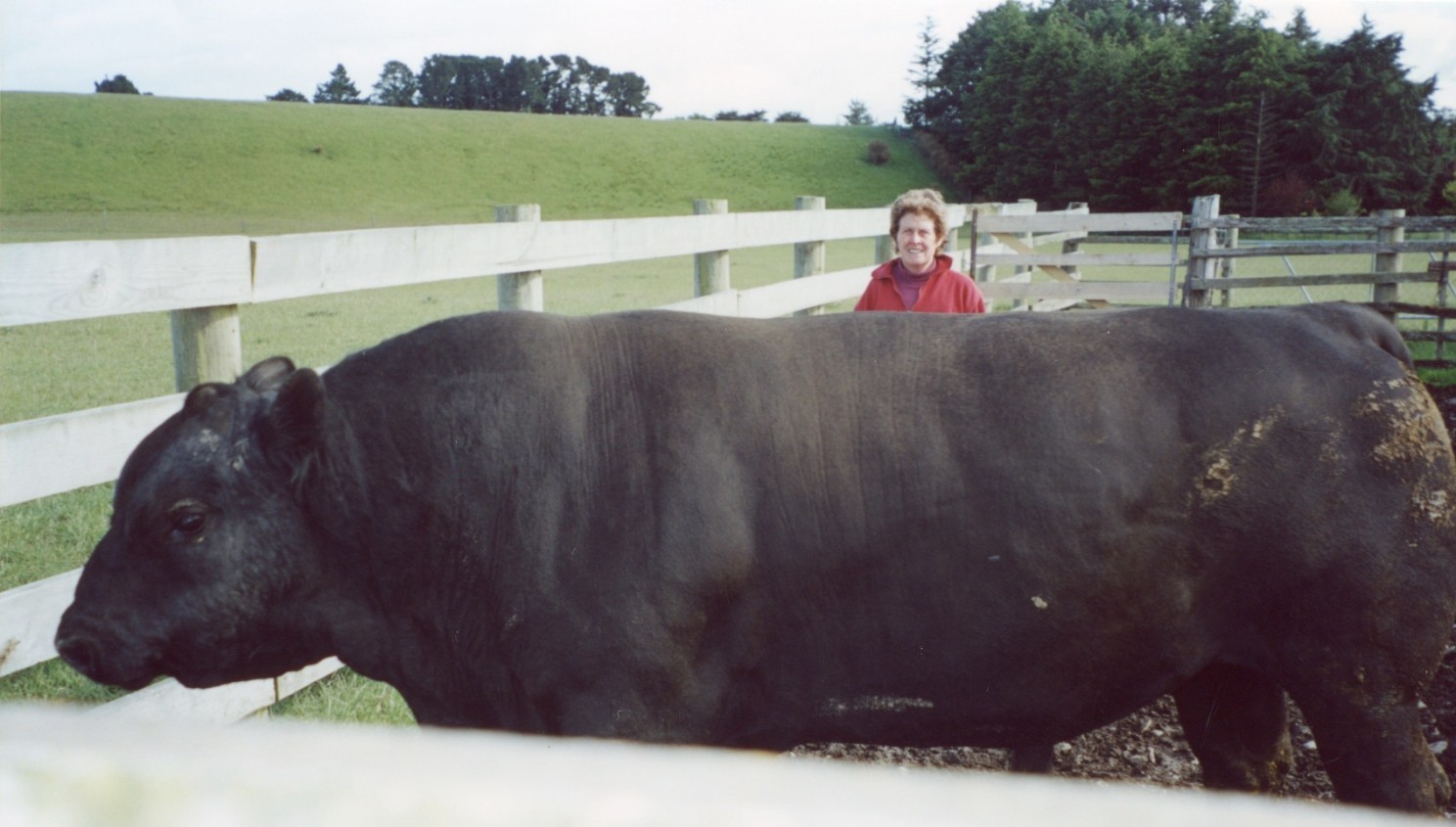
Article content
Mum with one of her Angus Bulls.

It began with a shared intent: keep the family farm in the family. But living that intent took time, courage, and compromise.

My brother had returned home post-earthquake and was working alongside Mum. I knew I didn’t want to farm it full time—but I did want a clear plan that honoured our family’s legacy and I did want to retain a connection with the land.

We engaged advisors. Ran workshops. Explored different options. At times, the conversations broke down. Progress was slow. Emotions & frustrations at times ran high.

Eventually, we explored a buyout option, and after 8 months of negotiation, we agreed: he would retain the farm, stock, and plant; I would retain a small bush block; and we would settle with a cash component.

Then, just weeks later, and before we could action a formal contractual agreement, Mum passed away quite suddenly.
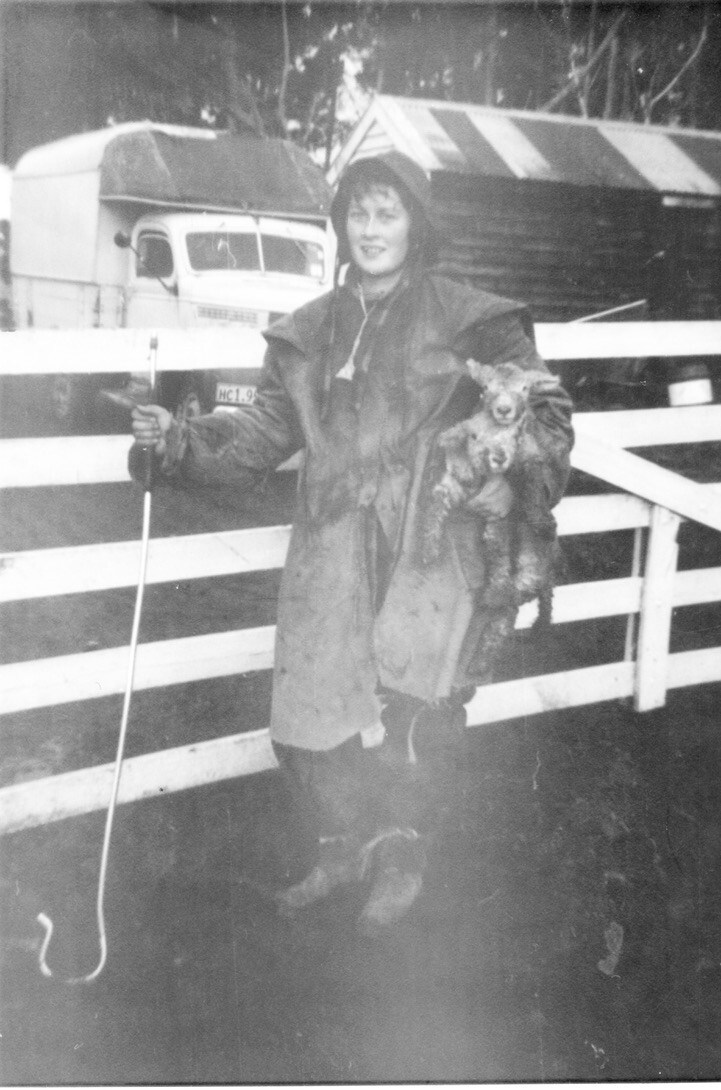
Article content
Mum: A registered nurse before 40 years farming – always a farmer at heart.

It was a powerful reminder that succession planning must account for the unexpected. Without a plan, we would have faced increased financial risk, a lengthy process, and family strain—right in the middle of personal grief. We had to navigate a funeral and the probate process which added complexity.

Thankfully, we had a foundation plan in place. Not perfect. But one that we could implement with minor amendments.

What I’ve personally learned:

  • Create a clear pathway. One that gradually leads to an agreed and aligned plan—don’t leave it to chance.
  • Start early. Succession is a process, not an event. It takes far longer than you might think.
  • Expect the unexpected. Illness, death, or external pressure can shift everything and quite suddenly.
  • Know the role. For several years prior to her death I had the financial power of attorney for Mum and the responsibility and governance that brings. It added unexpected complexity and conflicts that were hard to balance. The requirement to do the right thing on Mums behalf (business and care) whilst balancing the interests of my brother & my self as we explored the options for farm transition.
  • Fair ≠ equal. Seek outcomes that are pragmatic, fair and respected, not just based on accounting numbers. It comes back to being clear what each party wants and managing expectations.
  • Anchor to shared intent. Our north star was Mum’s wish to keep the farm in the family. We were able to return to this when it got hard and it brought us back on track.
  • Use trusted external advisers. They really help you to work through the conflicts that arise. They bring logic, neutrality, experience and structure to difficult conversations. Pay for the best advice and use it.
  • Learn from others who’ve done it well. Hearing the experience of others shortens the journey and protects relationships. Every situation is very different but there are many common issues – consider this lived experience and adapt it and apply it.
  • Stay connected as a family. Through birthdays, shared meals, and simple check-ins—relationships need their own care. So many families lose their way and relationships never recover.
  • Stay invested. I chose to leave funds in the farm to support my brother and his family’s success. That decision honoured our mother’s intent and legacy—and my own values. I will always love the farm, the land and my family and as such will always be supportive and want it to remain a family jewel.

Succession is the ultimate long game. It’s not about control—it’s about stewardship. Not about what’s fair today—but what’s sustainable and sets up future generations.

If you’re on this path: take your time, talk openly, and build a plan before you need one.

You will need courage and guidance to navigate many options and decisions.

I say trust the process. Inaction is not an option because we all have to face it.

Because when succession is done well, it strengthens more than a business. It strengthens a family. If done poorly it can destroy the bonds of any family and sadly, after a lifetime of success and achievement a lasting legacy will be about how you exit and the way the remaining family feels.
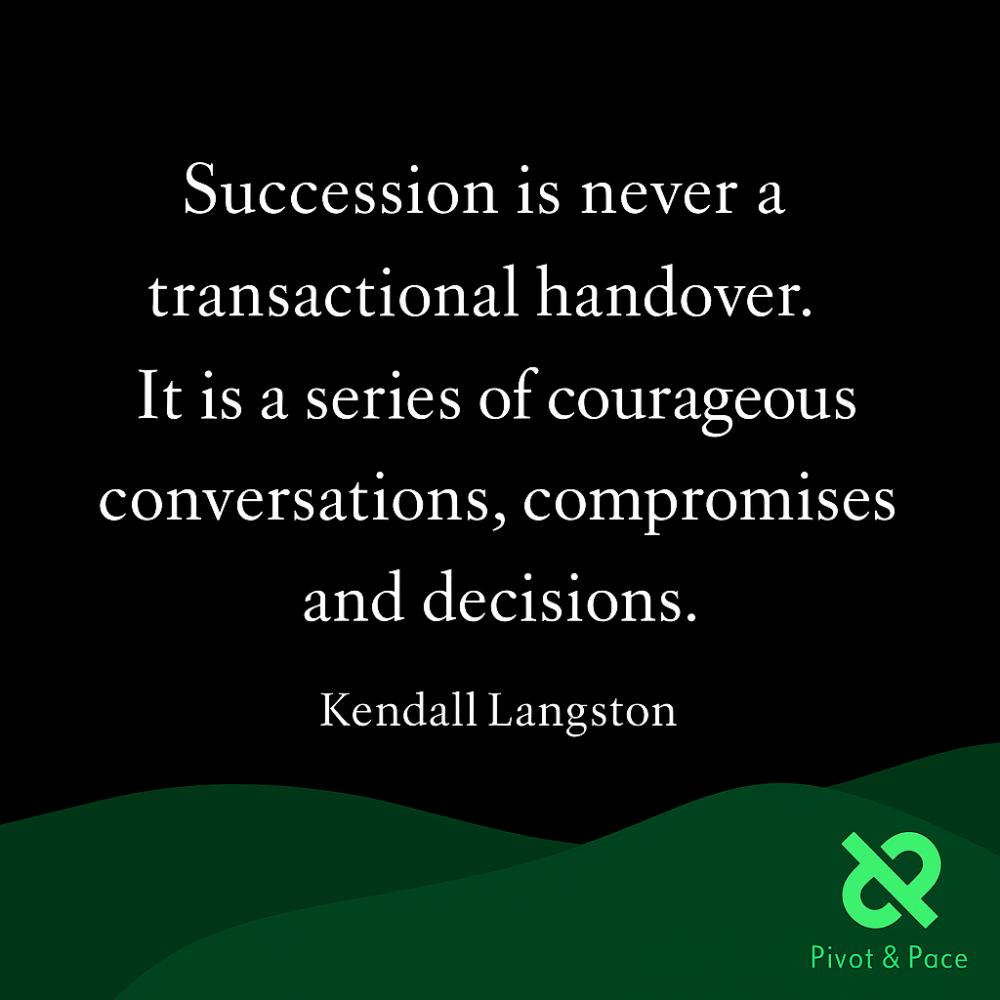
Article content

If you’re navigating succession in a family business, I’m always happy to connect, share, or listen. #SuccessionPlanning #FamilyBusiness #Leadership #Governance #Legacy #Agribusiness

Staying on Track: Leaders are Adapting Fast

There has never been a more exciting time to be leading people in business, in fact leading people in any organisation. 2020 has delivered more change in the last 7 months than we’ve seen in the last decade and there will a lot more to follow. Although most of the change is being driven by the global pandemic, most of the resulting trends are not new ones……they have simply been brought forward a number of years.

This has created a massive wave of change & combined with the other impacts on the economy (caused by close downs, stay at home orders, restrictions on travel & limited physical access to markets) is changing the way we execute business. Leaders are adapting in order to win in this new environment.

“We are in a flexible period of humanity”

I work as part of a Christchurch based team that works alongside prominent and experienced leaders of mainly New Zealand companies but also some Australian & US businesses. Many of those based in New Zealand are exporting globally &/or operating nationally. My own clients range across the agribusiness, science, manufacturing, health, processing, technology, education & both civil & vertical construction. I work mainly with Boards of Directors, CEO’s and their Executive teams. Most are established businesses with revenues ranging from $10m – $500m. We also support New Zealand Trade & Enterprise clients for expansion and Tourism NZ clients seeking to pivot their businesses.

Across the experienced leaders I work regularly with here are the trends;

  • There is an interesting tension between the need to survive as an organisation & the opportunity to thrive. Moral courage is increasingly important. There is a need to do the right thing, in line with the purpose and values of the organisation, at a time when there are also a lot of business continuity decisions.
  • Most CEO’s are cautiously optimistic about the immediate future but are concerned about the medium term (12 – 24 months). Many are asking “what does the latter part of 2021 look like?” & are actively seeking to make some assumptions as a basis for continued contingency planning.
  • There is more empathy & connectedness with employees & clients. That human connection is critical because leadership is a team sport. Many employees are facing challenges with family ie child care, spouses losing jobs, mental well being. There has been a need for more pastural care, more access to counselling & support services. This has made restructuring even more challenging than before as leaders balance the human capital needs with the businesses survival needs. Retaining clients has never been more critical.
  • There is a much lower tolerance of those who are non performers. Poor performance is being addressed very quickly. On the flip side those that are being hired are bringing a different set of skills, often more experience and higher levels of expertise & diversity. In many cases the skillsets within the staff are changing to meet the need of the new environment. In some cases new hires cover multiple disciplines.
  • Leaders are actively seeking peer groups, individual coaching and access to information about how others are dealing with similar issues. We have never seen more individuals seek leadership coaching from our company. One such General Manager summed it up when he said “I’ve been winging it for years but I don’t think I can do that any more. I need to get better as a leader to support change and to support my team.” Some seek coaching to ensure they deliver within their role and in doing so provide security for their ongoing future employment.
  • Bigger, bolder decisions are bing made faster. There is streamlining of structures, clarity on the composition of teams & overall there is more contingency planning.
  • Leaders are much more conscious of the things they need to do to remain effective & reduce stress. There is more emphasis on taking time off to rest, to be with family, to relax & many seek to have fun.
  • Many are too inwardly focussed and know they need prioritise time to look out into the market to scan for risk & opportunity. This can be challenging because there is less trust & confidence in the mainstream media. Many to validate what they are seeing in the media.
  • Business and leader succession is a big issue. Many of those in the latter stages of their careers are asking whether they have the energy or the skills to lead through a number of years of change and economic uncertainty. This is leading to some life changing decisions, a focus on more effective governance &/or the desire to exit.

“By all means run with the wildebeest but remember it is important to pause & look back occasionally to remind yourself what you are running from”

  • There is a huge awakening about the importance of having skilled people leaders in place. Leaders lead people while managers manage things or resources. The skills of the “generalist” leader have never been more highly valued & there is more investment in coaching, training, leader & team development.

These are both challenging and exciting times and as with any change there is a lot of opportunity presenting to those leaders and organisations who are reflecting, planning and who remain agile enough to take advantage of them.

What are you seeing in your leadership role?

Annual Advisory Works Client Achievements.

Client Results Graphic 2018
This is the third year we have measured this. We are very proud of the Impact we make to the key business drivers in our clients businesses.

“It is not the …

“It is not the critic who counts; not the man who points out how the strong man stumbles, or where the doer of deeds could have done them better. The credit belongs to the man who is actually in the arena, whose face is marred by dust and sweat and blood; who strives valiantly; who errs, who comes short again and again, because there is no effort without error and shortcoming; but who does actually strive to do the deeds; who knows great enthusiasms, the great devotions; who spends himself in a worthy cause; who at the best knows in the end the triumph of high achievement, and who at the worst, if he fails, at least fails while daring greatly, so that his place shall never be with those cold and timid souls who neither know victory nor defeat.”

Theodore Roosevelt – Excerpt from the speech “Citizenship In A Republic”
delivered at the Sorbonne, in Paris, France on 23 April, 1910

I love this quote. It reminds me that it is good to try and fail, in fact failing is where the best learnings come from in life. When you scratch the surface all successful people have had some big failures, learnt some hard lessons and indeed have a number of battle scars.

My heroes and mentors are all people who have done hard and risky actions……emphasis on action. The Ed Hillary’s, the Neil Armstrongs, Buzz Aldrins, Winston Churchills, Nelson Mandelas on the world. People who faced adversity, lead from the front and made it happen. Not the commentators, analysts or knockers.

What are your thoughts?

Â